Water is one of the simplest yet most powerful things you can give your body. It makes up around 60% of our body weight and is involved in nearly every function, especially when it comes to keeping your kidneys working well. Your kidneys are small but mighty organs that filter waste from the blood, balance fluids, and help produce urine. When you drink enough water, you make their job easier and help prevent a range of problems, from painful stones to infections and long-term damage.
In this blog, we’ll look at why staying hydrated matters so much for kidney health, what happens when you don’t drink enough, how much water most people need, and easy ways to build better hydration habits. We’ll also touch on why this is particularly important for women and when it might be time to see a specialist. Why Your Kidneys Need Plenty of WaterEvery day, your kidneys filter about 150–200 liters of blood to remove toxins, excess salts, and waste products. Water acts like a carrier, diluting these waste materials so they can be safely flushed out in urine. When you’re well-hydrated, urine flows freely and stays dilute, which reduces the chance of minerals crystallizing and forming stones.
Good hydration also helps maintain the right balance of electrolytes like sodium and potassium. This balance is essential for healthy blood pressure and overall kidney function. On the flip side, if you’re low on fluids, the kidneys have to concentrate urine to conserve water, which can lead to a buildup of minerals and increase the risk of stones or other issues over time.
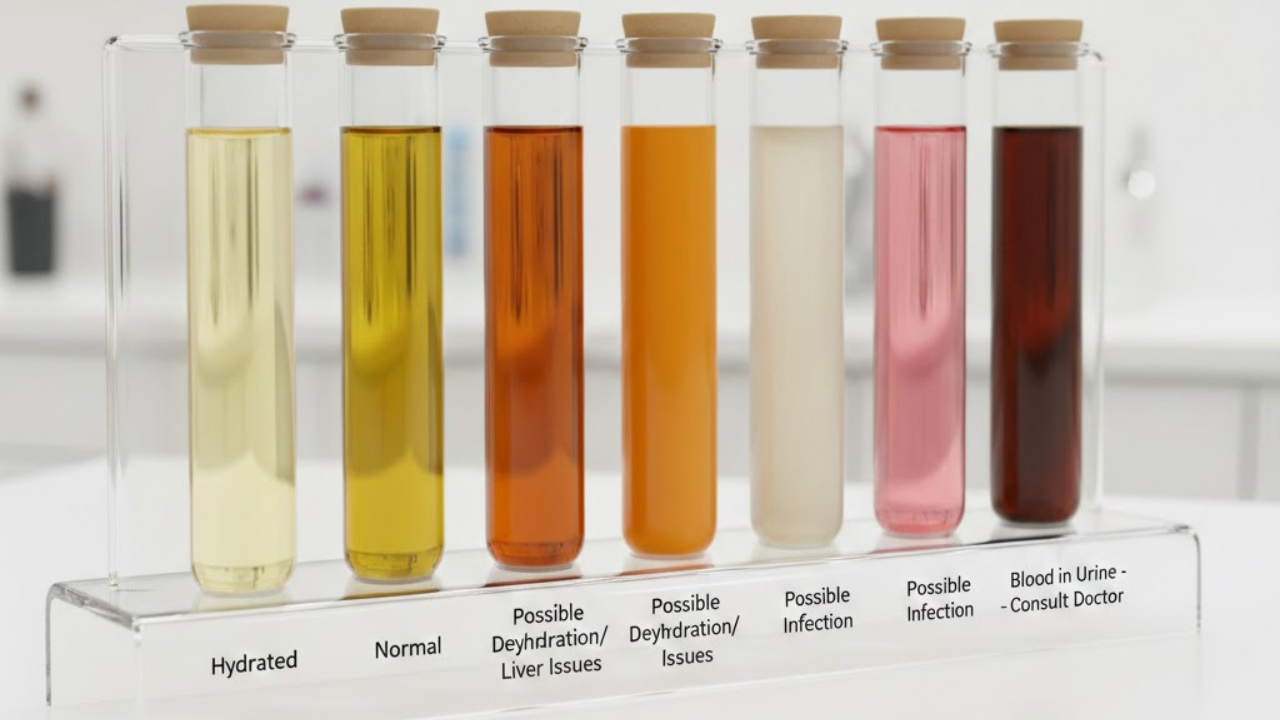
For women, hormonal changes throughout life—whether during monthly cycles, pregnancy, or menopause—can affect fluid balance and make urinary tract infections more likely. Drinking enough water helps flush bacteria out of the urinary system before they cause trouble. Many gynecologists and kidney specialists stress that simple daily hydration can play a big role in preventing these common concerns.What Happens When You Don’t Drink EnoughDehydration doesn’t always feel dramatic at first, but even mild cases put extra strain on the kidneys. You might notice darker urine, a dry mouth, tiredness, or dizziness. Over time, repeated dehydration raises the risk of kidney stones, recurrent infections, and in severe cases, acute kidney injury.
Kidney stones form when urine becomes too concentrated and minerals stick together. Hot weather, heavy sweating, or simply not drinking enough can trigger this. Women sometimes face added risks because urinary tract infections can travel upward to the kidneys if not addressed early.
If stones do develop and cause severe pain, modern treatments have come a long way. Minimally invasive options using laser technology can break stones into tiny pieces so they pass naturally or are easily removed, with quicker recovery times than older methods.How Much Water Do You Actually Need?There’s no magic number that fits everyone, but most healthy adults do well with around 2–3 liters (roughly 8–12 glasses) per day. This includes water from food and other beverages.
Your needs can change based on activity level, climate, age, and health conditions. On hot days or after exercise, you’ll naturally need more. A good rule of thumb for kidney health is to aim for urine that’s pale yellow or clear—dark yellow usually means you need to drink more .During pregnancy, fluid needs go up to support increased blood volume and the baby’s growth. After menopause, staying hydrated can help with overall comfort and lower infection risks. If you have any existing kidney concerns, it’s best to check with a doctor, as some conditions require careful fluid management.Simple Ways to Stay Hydrated Every DayBuilding a hydration habit doesn’t have to be complicated. Here are some practical tips:
Start the morning with a full glass of water.
Keep a reusable bottle with you and take small sips throughout the day.
Include water-rich foods like fruits (watermelon, oranges, cucumbers) and vegetables in meals.
Add a slice of lemon, cucumber, or mint if plain water feels boring.
Set phone reminders or pair drinking water with daily routines (like after brushing teeth).
Cut back on too many caffeinated or sugary drinks, which can actually pull water from your body.
Small, consistent changes add up and make a real difference over time.Women’s Health and Kidney CareWomen often juggle unique factors that affect kidney and urinary health. Pregnancy puts extra demands on the kidneys, while hormonal shifts during menopause can lead to changes in tissue moisture and higher chances of infections. Conditions like polycystic ovary syndrome (PCOS) can also indirectly influence kidney function through effects on weight and metabolism.
Regular check-ups that consider both gynecological and kidney health can catch issues early. Many women find that combining hydration habits with professional guidance gives them better overall wellness.When to Seek Professional HelpIf you experience symptoms like severe flank pain, blood in urine, frequent infections, or persistent fatigue, don’t wait—see a specialist. Early evaluation can prevent small problems from becoming bigger ones.
In places like Mohali, there are dedicated clinics offering comprehensive care for kidney and women’s health concerns. Facilities such as Optimum Clinic provide expert guidance, advanced diagnostics, and modern treatment options, including laser-based procedures for kidney stones when needed.Final ThoughtsStaying hydrated is one of the easiest and most effective things you can do for your kidneys. It helps prevent stones, supports daily detoxification, and contributes to long-term health. Pay attention to your body’s signals, make water a regular part of your routine, and don’t hesitate to seek expert care if something feels off.Your kidneys work hard for you every single day—giving them enough water is a simple way to return the favor.