Benign Prostatic Hyperplasia (BPH), commonly known as prostate enlargement, is a highly prevalent, non-cancerous condition affecting millions of men as they age. The prostate gland surrounds the urethra, the tube that carries urine from the bladder. As the gland enlarges, it compresses the urethra, causing significant urinary distress.
Recognizing prostate enlargement symptoms is the first step toward effective treatment. These often include:
If these prostate enlargement symptoms begin to severely impact quality of life, surgical intervention is often necessary, and modern urology strongly favors advanced Laser Treatment For Enlarged Prostate.
For decades, Transurethral Resection of the Prostate (TURP) was the standard surgical method. However, today, the gold standard for definitive, long-lasting relief from BPH is Prostate laser surgery, specifically techniques involving enucleation (complete removal of the obstructing tissue).
At The Optimum Clinic, we utilize advanced laser enucleation procedures, such as Holmium Laser Enucleation of the Prostate (HoLEP) and Thulium Laser Enucleation of the Prostate (THULEP), to remove almost the entire excessively enlarged prostate gland. This is the real USP of laser enucleation: unlike TURP, which only shaves away tissue, enucleation removes the gland down to the surgical capsule, preventing the tissue from regrowing.
HoLEP (Holmium Laser Enucleation of the Prostate): The holmium laser is used to precisely dissect and separate the enlarged prostate tissue from the outer capsule. The tissue is then pushed into the bladder and removed using a device called a morcellator. HoLEP is highly effective for prostates of all sizes.
THULEP (Thulium Laser Enucleation of the Prostate): Similar to HoLEP, the thulium laser is used to perform the exact anatomical separation of the prostate, providing superior cutting speed and excellent hemostasis (control of bleeding).
THULAP (Thulium Laser Ablation Of Prostate): For smaller prostates, tissue ablation (vaporization) may be done, but our primary focus remains on the more definitive enucleation methods.
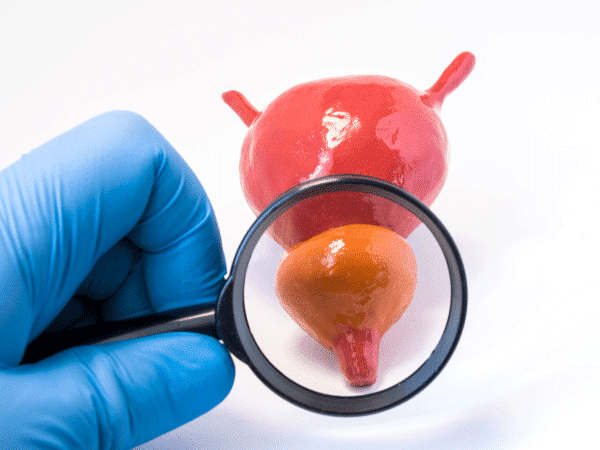
Untreated BPH can lead to severe prostate enlargement complications, which is why timely Laser Treatment For Enlarged Prostate is essential. These complications include:
Choosing advanced Laser Surgery For BPH not only relieves symptoms but acts as a preventative measure against these severe health risks.
Procedures like HoLEP and THULEP require extensive training and specialized instrumentation. Dr. Rajan Sharma is a leading urology surgeon in the Mohali region, highly experienced in performing these complex laser enucleation surgeries.
When you choose The Optimum Clinic, you are selecting a definitive solution that offers superior long-term results, minimal invasiveness, and a faster path back to a normal quality of life, free from the distress of prostate enlargement symptoms.