


Affordable Gynecology Treatment in Mohali | Expert Women's Healthcare
- July 10,2026
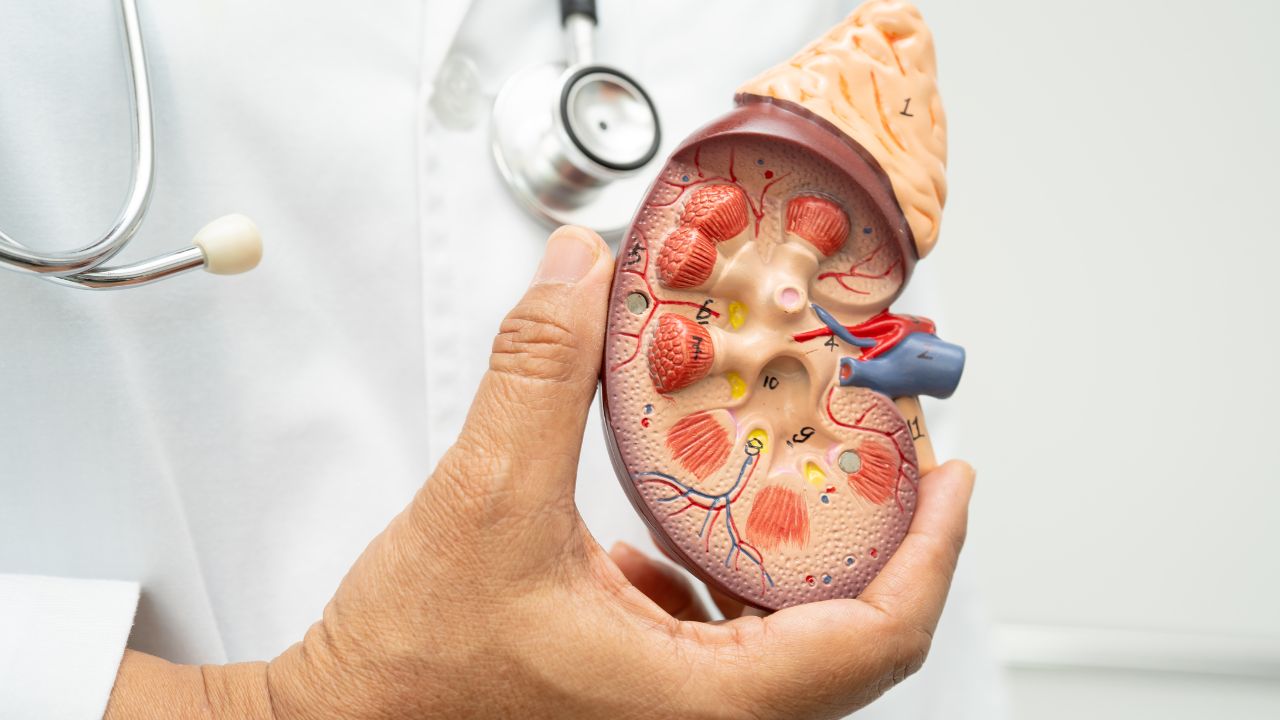
The kidney is a paired retroperitoneal organ essential for maintaining homeostasis in the human body. Each kidney, approximately 11–14 cm in length and 150 g in weight, is highly vascularized and functions as a sophisticated filtration system. Its role extends beyond excretion, encompassing endocrine, metabolic, and regulatory functions critical to life.
The kidney is divided into the cortex and medulla. The cortex houses the majority of nephrons, the functional units responsible for filtration. Each kidney contains roughly 1–1.5 million nephrons, composed of a glomerulus and renal tubule. The glomerulus filters plasma, while the tubule modifies the filtrate through selective reabsorption and secretion to form urine. The renal pelvis collects urine and channels it to the ureter.
Vascular supply is primarily through the renal artery, with venous drainage via the renal vein. The kidneys receive about 20–25% of cardiac output, underscoring their metabolic significance.
Filtration and Excretion
Kidneys filter approximately 120–150 liters of plasma daily, excreting metabolic waste products like urea, creatinine, and uric acid. This filtration is mediated by the glomerular filtration rate (GFR), a key indicator of renal function.
Electrolyte and Fluid Balance
Nephrons regulate sodium, potassium, calcium, magnesium, and phosphate homeostasis. Antidiuretic hormone (ADH) and aldosterone fine-tune water and electrolyte reabsorption, maintaining osmotic equilibrium.
Acid-Base Homeostasis
Through bicarbonate reabsorption and hydrogen ion excretion, the kidneys maintain blood pH within the narrow range of 7.35–7.45.
Blood Pressure Regulation
The renin-angiotensin-aldosterone system (RAAS) allows kidneys to control vascular resistance and fluid volume, stabilizing systemic blood pressure.
Endocrine Functions
Erythropoietin (EPO): Stimulates red blood cell production in response to hypoxia.
Calcitriol (1,25-dihydroxyvitamin D3): Modulates calcium and phosphate metabolism.
Renin: Initiates RAAS to maintain hemodynamic stability.
Detoxification and Drug Metabolism
Kidneys metabolize and excrete several drugs and xenobiotics, complementing hepatic detoxification.
Chronic Kidney Disease (CKD): Progressive nephron loss leading to uremia.
Acute Kidney Injury (AKI): Rapid decline in renal function due to ischemia, toxins, or infection.
Glomerulonephritis: Immune-mediated inflammation of glomeruli.
Nephrolithiasis: Formation of renal calculi causing obstruction and pain.
Polycystic Kidney Disease (PKD): Genetic disorder characterized by cyst formation.
Renal function is evaluated using laboratory markers such as serum creatinine, blood urea nitrogen (BUN), electrolyte levels, and estimated GFR. Imaging techniques like ultrasound, CT, and MRI assist in structural assessment.
Maintaining renal health requires:
Adequate hydration and balanced nutrition
Blood pressure and glycemic control
Avoidance of nephrotoxic drugs
Regular medical screenings, especially in high-risk populations
The kidney is a highly specialized organ that integrates filtration, metabolic, and endocrine functions. Understanding its anatomy and physiology is crucial for diagnosing, managing, and preventing renal diseases. Advancements in nephrology and transplantation underscore the kidney’s pivotal role in sustaining life and systemic health.