Affordable Gynecology Treatment in Mohali | Expert Women's Healthcare
- July 10,2026
For many teenagers and young women, the idea of visiting a gynecologist for the first time can feel confusing, intimidating, or even unnecessary. Questions like “Am I too young?”, “Will there be an examination?”, or “Is something wrong with me?” often create anxiety and hesitation.
However, visiting a gynecologist is not only about treating problems—it is about education, prevention, and building lifelong reproductive health awareness. Just like routine dental or eye checkups, early gynecological care helps young women understand their bodies and seek timely medical guidance when needed.
This doctor-approved guide explains when you should first visit a gynecologist, why it is important, and what to expect during your first gynecologist appointment, so teenagers and young women can feel informed, confident, and empowered.
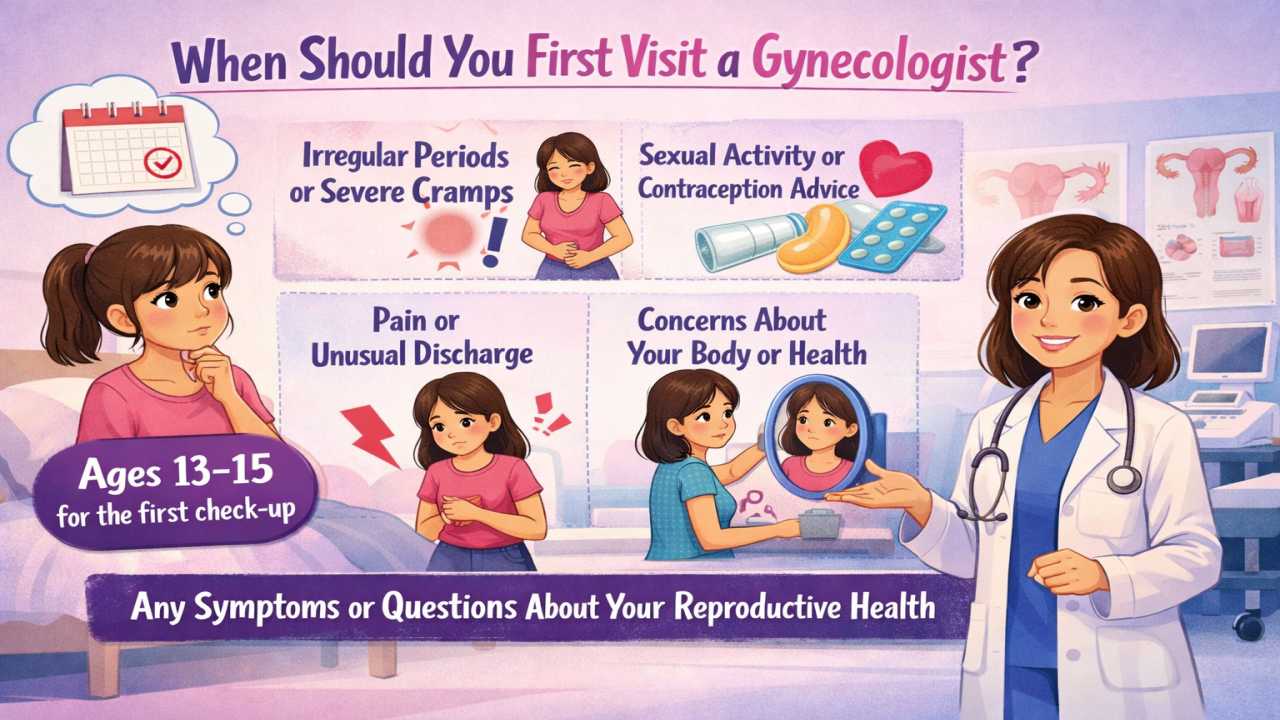
Doctors generally recommend that girls should visit a gynecologist for the first time between the ages of 13 and 15 years. This first visit is usually simple and non-invasive and mainly focuses on guidance rather than examination.
The purpose of an early gynecologist visit is to:
Understand puberty-related body changes
Learn about menstrual health and hygiene
Discuss any discomfort, pain, or irregularity
Build comfort with gynecological care early
A pelvic examination or medical tests are not routinely done unless there is a specific health concern.
Teenage years bring rapid hormonal and physical changes, and not every change feels normal or easy to manage. Many young girls assume pain, irregular periods, or discomfort are normal and should be tolerated, which is not always true.
Early visits help with:
Correct information about periods and hormones
Identifying issues like hormonal imbalance or anemia early
Preventing future reproductive health complications
Encouraging open and judgment-free conversations
These visits also help normalize gynecological care so young women feel comfortable seeking help later in life.
Some symptoms should never be ignored, even during teenage years. You should consider visiting a gynecologist if you experience:
Irregular, missed, or very frequent periods
Heavy bleeding or periods lasting more than 7 days
Severe menstrual cramps affecting daily routine
Abnormal vaginal discharge with itching or odor
Burning sensation or pain while urinating
If these symptoms continue for more than a few weeks or start affecting daily life, medical guidance is necessary.
While slight irregularity is common in the first few years after periods begin, ongoing problems should be evaluated. Period-related issues that require a gynecologist visit include:
Periods stopping suddenly for 2–3 months
Bleeding that continues for many days
Very painful periods not relieved by medication
Periods occurring too frequently
Early evaluation helps diagnose conditions like hormonal imbalance, PCOS, or iron deficiency before they worsen.
One of the most searched concerns is first gynecologist appointment what to expect, and the answer is reassuring. The first visit is usually friendly, comfortable, and conversation-based.
During the first appointment, you can expect:
Questions about periods, general health, and lifestyle
Discussion of any symptoms or concerns
Guidance on hygiene, nutrition, and body changes
In most cases:
No pelvic exam is done
No tests are performed unless medically required
Privacy, consent, and comfort are always respected
The goal is to make the patient feel safe, informed, and confident.
Preparing for your first gynecologist visit helps reduce anxiety and makes the appointment smoother. Writing down your symptoms or questions and tracking your menstrual cycle can help the doctor understand your concerns better. Avoid using scented vaginal products before the visit and be honest about what you are experiencing. If you are visiting the best gynecologist in Mohali for the first time, remember that the consultation is meant to make you feel comfortable, informed, and supported. When a parent is accompanying a teenager, allowing some private conversation time with the doctor can further help build comfort and trust.
For sexually active teenagers and young women, gynecologist visits play an important role in preventive care. These visits help with:
Education about safe sexual practices
Guidance on contraception options
Prevention and early detection of infections
Understanding consent and reproductive safety
These consultations are focused on health, not judgment.
Reproductive health is closely linked to daily lifestyle habits. Simple practices can help maintain hormonal balance and overall well-being, such as:
Regular physical activity
Balanced diet and proper hydration
Adequate sleep (8–10 hours)
Proper menstrual hygiene and self-care
Paying attention to body changes and speaking up early can prevent long-term health issues.
Visiting a gynecologist for the first time is a normal and empowering step, not something to fear. Early visits help teenagers and young women understand their bodies, address concerns early, and build healthy habits for the future. Knowing when to visit a gynecologist and being aware of what to expect during the first gynecologist appointment removes anxiety and hesitation.
At The Optimum Clinic, we provide adolescent-friendly, confidential, and supportive gynecological care to ensure every young woman feels comfortable, informed, and confident about her health.
1. Is it normal to feel nervous before the first gynecologist visit?
Yes, feeling nervous or anxious before your first gynecologist visit is completely normal. Many teenagers and young women feel unsure about what will happen, but asking questions openly helps reduce fear and makes the visit more comfortable.
2. How can parents help if their daughter feels hesitant to visit a gynecologist?
Parents should offer emotional support and reassurance without pressure. During the visit, allowing the daughter to speak privately with the doctor can help her feel more comfortable and confident while discussing personal concerns.
3. Should I visit a gynecologist even if I don’t have any problems?
Yes, regular gynecologist visits are important even if there are no visible issues. Preventive checkups help understand reproductive health, detect problems early, and guide young women about healthy habits. Ideally, visits can begin after the first period.
4. Is a gynecologist visit only necessary for sexually active women?
No, gynecologist visits are not limited to sexual activity. Gynecologists guide patients about menstrual health, hormonal changes, hygiene, and body development, which are important at every stage of life.
5. How often should teenagers and young women visit a gynecologist?
For teenagers without symptoms, a visit once a year or once every two years is usually sufficient. If there are menstrual, hormonal, or other reproductive health concerns, the doctor may recommend more frequent visits.
6. Will there be an examination during the first gynecologist visit?
In most cases, the first visit involves only discussion and guidance. Physical examinations or tests are done only if medically required and always with consent and explanation.