For patients requiring long-term treatment for end-stage renal disease (ESRD), a properly functioning vascular access is absolutely crucial for achieving optimal quality of life and successful dialysis. While the gold standard is the Conventional Arteriovenous Fistula—created using superficial veins for arteriovenous fistula in hemodialysis—these preferred veins (like the cephalic vein) may be unavailable due to past surgeries, repeated use, or underlying conditions.
When the best-suited superficial veins cannot be used, an alternative, advanced vascular access procedure is required. This is where specialized Vein Transpositions become essential to secure reliable access for future dialysis.
The basilic vein, located in the upper arm, is often a robust alternative. However, its anatomical position is deep within the arm (subfascial plane), making it inaccessible for regular dialysis needle access.
Basilic Vein Transposition (BVT) is the highly specialized surgical procedure designed to bring this robust, deep vein to the surface (subcutaneous tissue) where it can be easily accessed. First performed in 1976, BVT is considered a highly viable option for secondary or tertiary vascular access. Studies consistently show that fistulas made with a transposed basilic vein have been found to be the most reliable secondary vascular access procedures for chronic Hemodialysis.
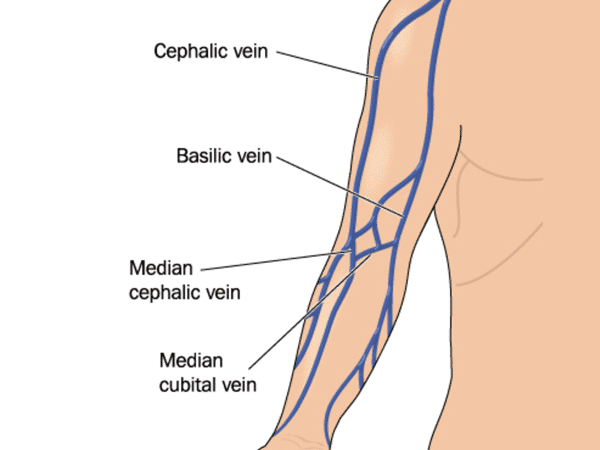
The core principle of Basilic Vein Transposition is to dissect the vein, elevate it, and connect it to the brachial artery (End-to-side basilic vein-brachial artery anastomosis) to create the high-flow fistula. Our clinic offers both techniques, prioritizing the less invasive option:
In Conventional Basilic vein transposition (BVT), a long, continuous incision is typically made over the entire inner aspect of the arm. The basilic vein is dissected up to the axillary vein and then transposed into the subcutaneous tissue using this extensive skin incision. While effective, this approach can be associated with higher rates of post-operative pain and prolonged healing due to the length of the incision.
At The Optimum Clinic, we prioritize patient comfort and rapid recovery through advanced, minimally invasive techniques. Transposition of Basilica Vein with Minimal Incision is performed under local or regional anesthesia and uses several key modifications:
This technique uses only small or minimal incisions for Basilic Vein Transposition, which significantly lessens post-operative pain, reduces scarring, and leads to a much swifter recovery.
Opting for an advanced procedure like Minimal Incision Basilic Vein Transposition requires the expertise of a highly specialized vascular surgeon. While fistulas made with a transposed basilic vein are highly reliable, the procedure itself is complex and demands precision.
We are committed to providing the longest-lasting and most comfortable access solution for your chronic hemodialysis needs.