If you or a loved one is starting kidney failure treatment, preparing the proper vascular access for dialysis is one of the single most crucial steps. This dedicated entry point is necessary for effective Hemodialysis (HD) treatment, allowing blood to be efficiently removed, cleansed, and returned to the body.
At The Optimum Clinic, we specialize in creating durable and reliable HD vascular access solutions. Dr. Rajan Sharma and our team ensure prompt and personalized preparation, minimizing risks and maximizing the efficiency of your treatments.
A standard Hemodialysis session involves the continuous processing of a significant volume of blood—typically ranging from 200–500 mL per minute—over a 2–6 hour period, usually performed 2 or 3 times per week. Because of this high flow rate requirement, your vascular access creation must be prepared well in advance.
Ideally, the access site should be prepared several weeks or even months before Hemodialysis commences. This prompt preparation facilitates efficient removal and replacement of the blood with fewer risks or complications.
A properly functioning vascular access for hemodialysis should possess the following characteristics:
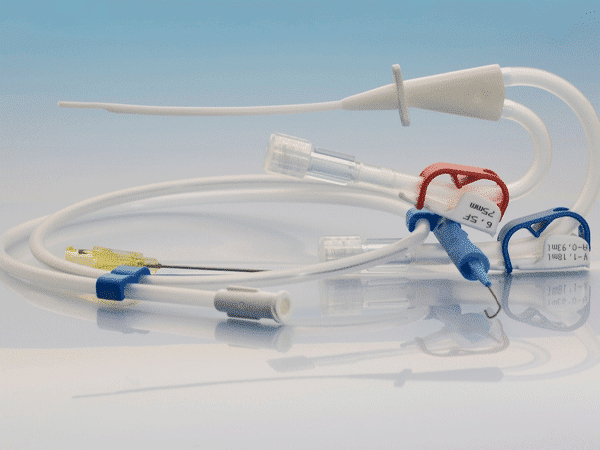
When considering vascular access for dialysis, three primary types are available. The goal is always to create an AV Fistula first, as it is considered the "gold standard" for long-term use.
The AV Fistula is the preferred method of permanent HD vascular access.
What it is: A surgeon connects an artery directly to a vein, usually in the arm. This connection causes the vein to thicken and enlarge (a process called "maturation") due to increased blood flow and pressure.
Advantages: Longest lifespan, lowest infection rate, lowest clotting rate, and generally the best long-term outcome.
Preparation Timeline: Maturation takes 2 to 3 months, making early vascular access creation planning essential.
Focus Keyword Integration: We specialize in successful AV Fistula in Chandigarh, offering both conventional and microscopic techniques for the best chance of success.
If a patient’s veins are too small or weak to support the creation of an AV Fistula, a synthetic option may be used.
What it is: A plastic tube (graft) is used to loop an artery to a vein beneath the skin.
Advantages: It can be used sooner than a fistula (usually in 2–3 weeks).
Considerations: Higher infection and clotting risk compared to fistulas.
This is typically a temporary solution or a necessity for emergency dialysis.
What it is: A soft tube is inserted into a large vein, usually in the neck or chest.
Advantages: Immediate use for urgent dialysis.
Considerations: Highest infection risk and unsuitable for long-term use.
Choosing an experienced surgeon is critical to the longevity and effectiveness of your HD vascular access. Dr. Rajan Sharma is highly experienced in vascular access creation and maintenance.
Every patient's vascular system is unique. We conduct detailed assessments, including vein mapping, to determine the best possible site and type of vascular access for dialysis.
Maintaining your access is just as important as creating it. Early detection helps prolong access life.
Protect the Site, avoid pressure, no BP or injections, monitor the thrill daily, and maintain hygiene.
If you are beginning your journey with Hemodialysis, ensure you receive the highest standard of vascular access creation. Contact The Optimum Clinic today to schedule your consultation with Dr. Rajan Sharma and discuss the best AV Fistula in Mohali solution for you.