


Affordable Gynecology Treatment in Mohali | Expert Women's Healthcare
- July 10,2026
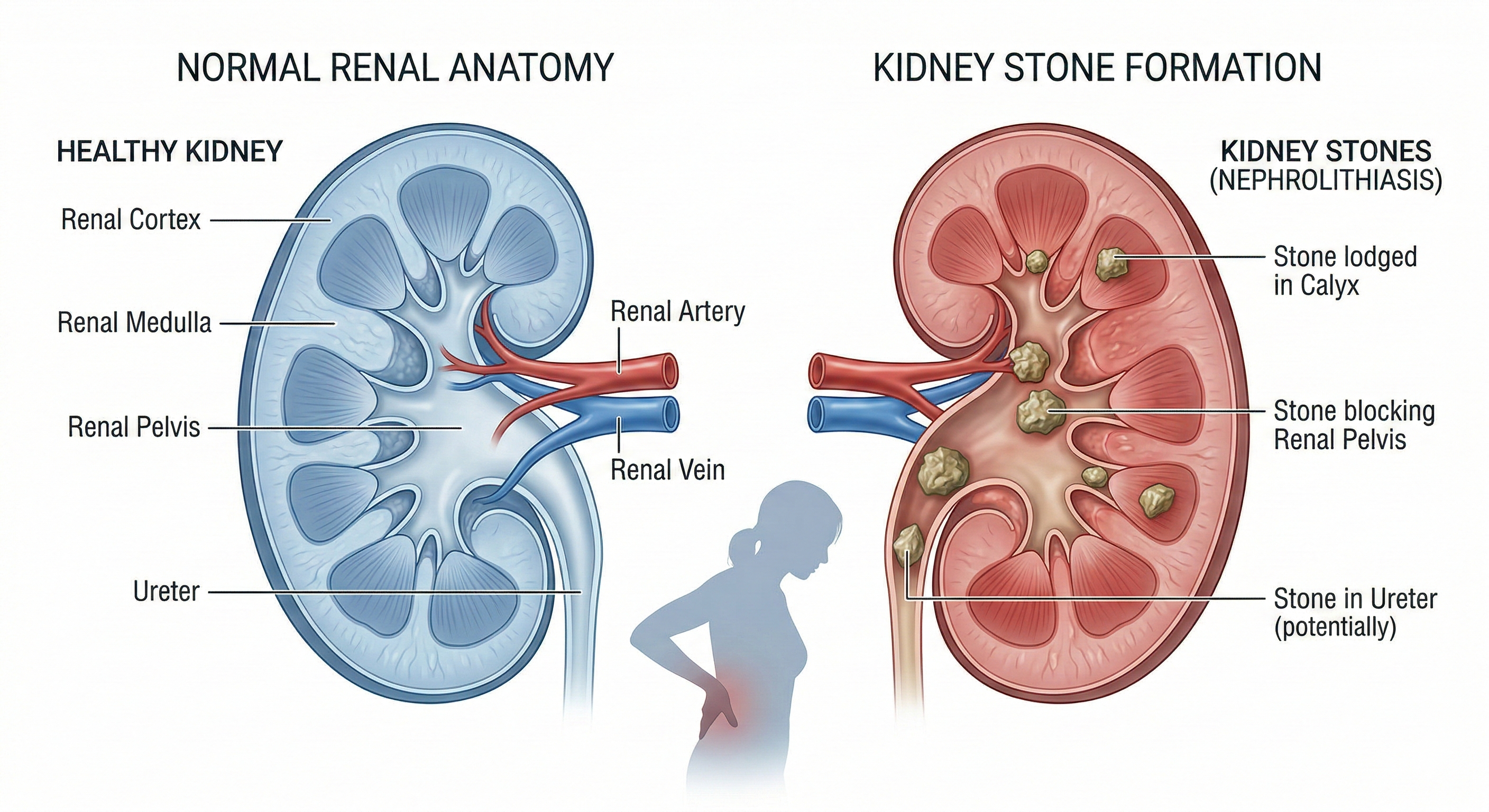
Kidney stones were once considered a health issue mostly affecting middle-aged individuals. However, over the past decade, doctors have observed a sharp rise in cases among young adults aged 18–35. According to urology experts, lifestyle changes, dietary habits, dehydration, and metabolic disorders are major contributors to this growing problem.
Understanding why kidney stones are increasing in young adults can help you recognize early symptoms and take preventive action before complications develop.
Kidney stones, medically known as nephrolithiasis, are hard mineral and salt deposits that form inside the kidneys. These stones develop when urine becomes concentrated, allowing minerals like calcium, oxalate, and uric acid to crystallize and stick together.
There are different types of kidney stones:
Calcium oxalate stones (most common)
Uric acid stones
Struvite stones
Cystine stones
Young adults are increasingly being diagnosed with calcium-based stones due to dietary patterns and inadequate hydration.
Several modern lifestyle factors are responsible for the surge in kidney stones among youth.
One of the biggest causes is insufficient water consumption. Many young adults consume sugary beverages, energy drinks, and caffeine instead of water. This leads to concentrated urine, increasing the risk of crystal formation.
Fast food, packaged snacks, and high-sodium diets are common in young lifestyles. Excess salt increases calcium levels in urine, promoting stone formation.
High-protein diets, especially from red meat and supplements, can increase uric acid levels and reduce urinary citrate (a natural stone inhibitor). This imbalance raises kidney stone risk.
Long hours sitting, reduced physical activity, and screen-based jobs contribute to obesity and metabolic syndrome — both linked to kidney stones.
Young adults with obesity, insulin resistance, or diabetes have a higher chance of developing kidney stones due to changes in urine composition.
If kidney stones run in your family, your risk automatically increases. Genetic factors can influence how your body processes minerals.
Recognizing early symptoms is crucial for timely treatment. Common kidney stone symptoms include:
Severe lower back or side pain
Pain radiating to the lower abdomen or groin
Burning sensation while urinating
Blood in urine (hematuria)
Frequent urge to urinate
Nausea and vomiting
Fever and chills (if infection is present)
Pain caused by kidney stones is often described as one of the most intense types of pain. Small stones may pass naturally, but larger stones may require medical intervention.
Doctors typically use:
Ultrasound
CT scan
Urine tests
Blood tests
Early diagnosis helps prevent complications like urinary tract infections, kidney damage, or blockage.
The good news is that kidney stones are largely preventable with simple lifestyle changes.
Aim for 2.5–3 liters of water daily. Your urine should be light yellow or clear.
Limit processed foods and maintain sodium intake under recommended levels.
Reduce excessive red meat
Avoid too much spinach, nuts, and oxalate-rich foods (if prone to stones)
Include citrus fruits (like lemon) which increase citrate levels
Regular exercise improves metabolism and reduces obesity-related risks.
High doses of calcium, vitamin D, or protein supplements should be taken only under medical supervision.
Seek medical attention if you experience:
Severe persistent pain
Blood in urine
Fever with urinary symptoms
Difficulty passing urine
Early consultation with a urologist can prevent complications and reduce recurrence risk.
The increasing prevalence of kidney stones in young adults is closely linked to modern lifestyle habits. Dehydration, poor diet, obesity, and sedentary behavior are major triggers. The good news is that kidney stone prevention is achievable with simple daily changes adequate hydration, balanced nutrition, and active living.
If you are experiencing symptoms of kidney stones, don’t ignore them. Early diagnosis and proper treatment can help you avoid severe pain and long-term kidney complications.
Taking care of your kidney health today can prevent painful problems tomorrow.