


Affordable Gynecology Treatment in Mohali | Expert Women's Healthcare
- July 10,2026
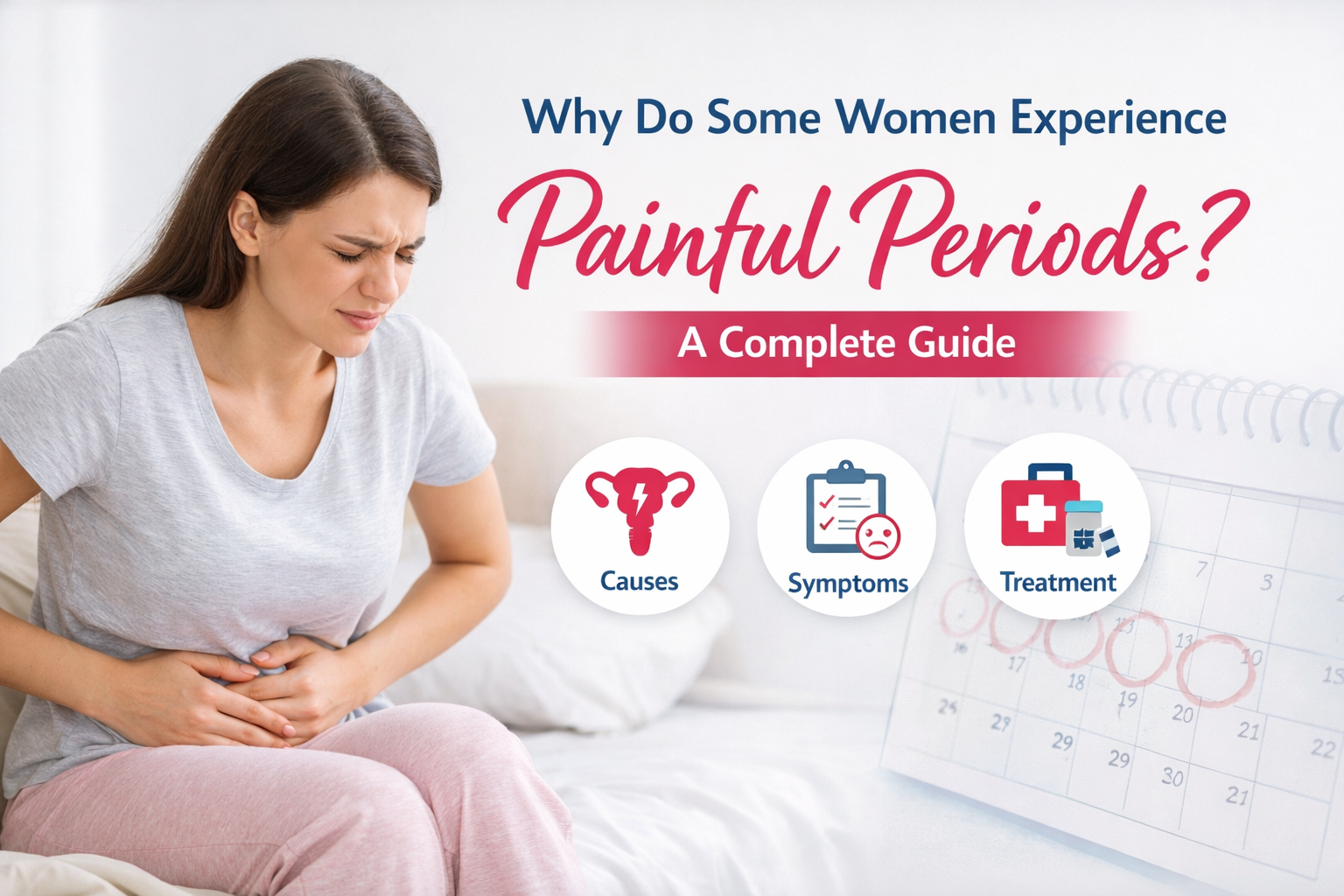
Many women experience discomfort during their menstrual cycle, but for some, the pain can be intense and disruptive. Painful periods, medically known as Dysmenorrhea, are a common gynecological concern that affects daily activities, work, and overall well-being.
Understanding why painful periods happen can help women manage the symptoms better and know when medical attention may be necessary. This guide explains the causes, symptoms, risk factors, and treatment options for painful periods.
Painful periods refer to strong cramps or pelvic pain that occur before or during menstruation. The pain usually begins in the lower abdomen and may spread to the lower back or thighs.
During menstruation, the uterus contracts to shed its lining. These contractions can cause cramps, which are normal to some extent. However, when the pain becomes severe, it may indicate dysmenorrhea.
Several factors can contribute to painful menstrual cramps. The most common cause is the release of hormone-like substances called prostaglandins, which trigger uterine contractions.
Higher levels of these chemicals can lead to stronger contractions and more intense pain.
Some medical conditions can also cause painful periods, including:
Painful periods are generally categorized into two types.
Primary dysmenorrhea is the most common type and occurs without any underlying medical condition. It usually begins during adolescence or early adulthood.
The pain often starts just before the menstrual cycle and may last for one to three days.
Secondary dysmenorrhea occurs when menstrual pain is caused by an underlying reproductive health problem such as endometriosis or fibroids. This type of pain may worsen over time and last longer than typical menstrual cramps.
Women experiencing painful periods may notice a variety of symptoms, including:
These symptoms usually begin before menstruation and continue during the first few days of the cycle.
Some women are more likely to experience painful periods due to certain factors, such as:
There are several ways to reduce the discomfort caused by painful periods.
Applying heat to the lower abdomen can help relax uterine muscles and relieve cramps.
Light exercise such as walking, yoga, or stretching may improve blood circulation and reduce menstrual pain.
A balanced diet rich in fruits, vegetables, and whole grains can help support hormonal balance.
Doctors may recommend medications that reduce inflammation and help relieve cramps.
In some cases, hormonal contraceptives may be prescribed to regulate the menstrual cycle and reduce pain.
Although mild cramps are common, severe pain should not be ignored. You should consult a gynecologist if:
Painful periods are a common issue faced by many women, but severe menstrual cramps can significantly affect quality of life. Understanding the causes and symptoms of dysmenorrhea allows women to take the right steps toward managing their menstrual health.