


Affordable Gynecology Treatment in Mohali | Expert Women's Healthcare
- July 10,2026
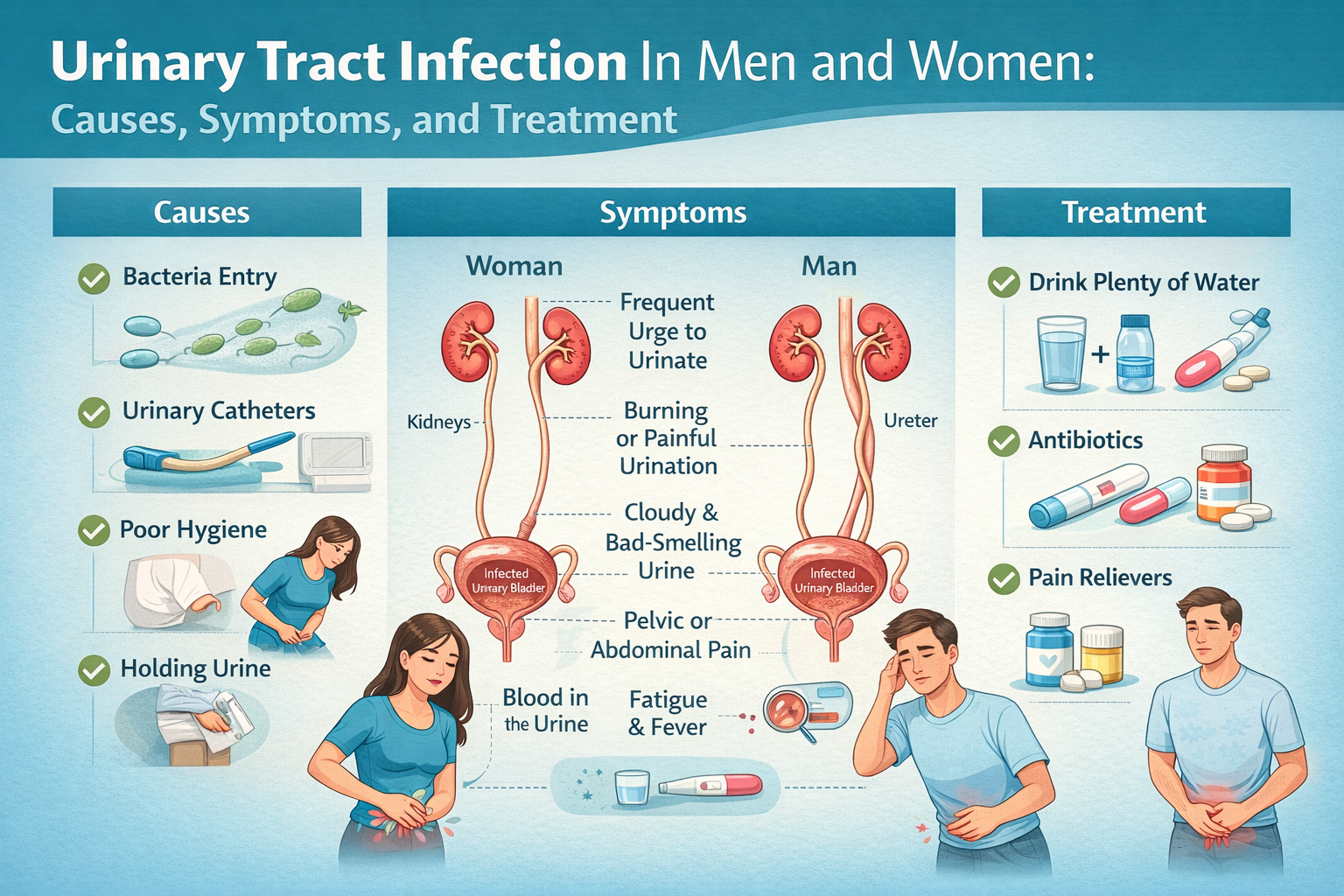
A Urinary Tract Infection (UTI) is a common infection that affects the urinary system, including the kidneys, bladder, ureters, and urethra. It occurs when bacteria enter the urinary tract and begin to multiply. UTIs can affect both men and women, although women are more likely to develop this infection due to differences in anatomy. If not treated on time, a urinary tract infection can cause discomfort and may lead to more serious health complications.
A Urinary Tract Infection occurs when harmful bacteria enter the urinary system and infect the bladder or other parts of the urinary tract. In most cases, the infection begins in the lower urinary tract, particularly the bladder and urethra. However, if left untreated, the infection can spread to the kidneys and lead to a more serious condition known as a kidney infection.
Urinary tract infections are usually caused by bacteria entering the urethra and traveling into the bladder. The most common bacteria responsible for UTIs is Escherichia coli, which normally lives in the digestive tract. Poor hygiene, holding urine for long periods, dehydration, and certain medical conditions can increase the risk of developing a UTI. In women, sexual activity and hormonal changes may also contribute to the risk of infection.
The symptoms of a urinary tract infection can vary depending on which part of the urinary tract is affected. Common symptoms include a strong and persistent urge to urinate, a burning sensation during urination, and passing small amounts of urine frequently. Some people may also notice cloudy or strong-smelling urine.
In more severe cases, individuals may experience pelvic pain, lower abdominal discomfort, or blood in the urine. If the infection spreads to the kidneys, symptoms such as fever, nausea, back pain, and chills may occur. These symptoms require immediate medical attention.
Several factors can increase the risk of developing a urinary tract infection. Women are at a higher risk because their urethra is shorter, allowing bacteria to reach the bladder more easily. Pregnancy, menopause, and the use of certain contraceptives may also increase the risk.
Men can also develop UTIs, especially if they have an enlarged prostate or problems with urine flow. Medical conditions such as Diabetes or a weakened immune system can also increase the likelihood of infection in both men and women.
Doctors usually diagnose a Urinary Tract Infection through a urine test. A urine sample is examined to detect bacteria, white blood cells, or blood in the urine. In some cases, additional tests such as imaging scans or cystoscopy may be recommended if infections occur frequently or if complications are suspected.
Treatment for urinary tract infections usually involves antibiotics to eliminate the bacteria causing the infection. The type and duration of medication depend on the severity of the infection and the patient’s medical history. Most mild infections improve within a few days after starting treatment.
Doctors may also recommend drinking plenty of water to help flush bacteria from the urinary system. Pain relief medications may be prescribed to reduce discomfort during urination.
Preventing urinary tract infections involves maintaining good hygiene and healthy lifestyle habits. Drinking enough water throughout the day helps remove bacteria from the urinary tract. Urinating regularly and avoiding holding urine for long periods can also reduce the risk of infection.
Women are often advised to wipe from front to back after using the toilet to prevent bacteria from spreading to the urinary tract. Wearing breathable cotton underwear and avoiding excessive use of harsh hygiene products may also help maintain urinary health.
A Urinary Tract Infection is a common condition that can affect both men and women. Although it often causes discomfort and irritation, it can usually be treated effectively with proper medical care. Recognizing the early symptoms and seeking timely treatment can prevent complications and support better urinary health. Maintaining good hygiene, staying hydrated, and following healthy lifestyle practices can significantly reduce the risk of developing urinary tract infections.