Affordable Gynecology Treatment in Mohali | Expert Women's Healthcare
- July 10,2026
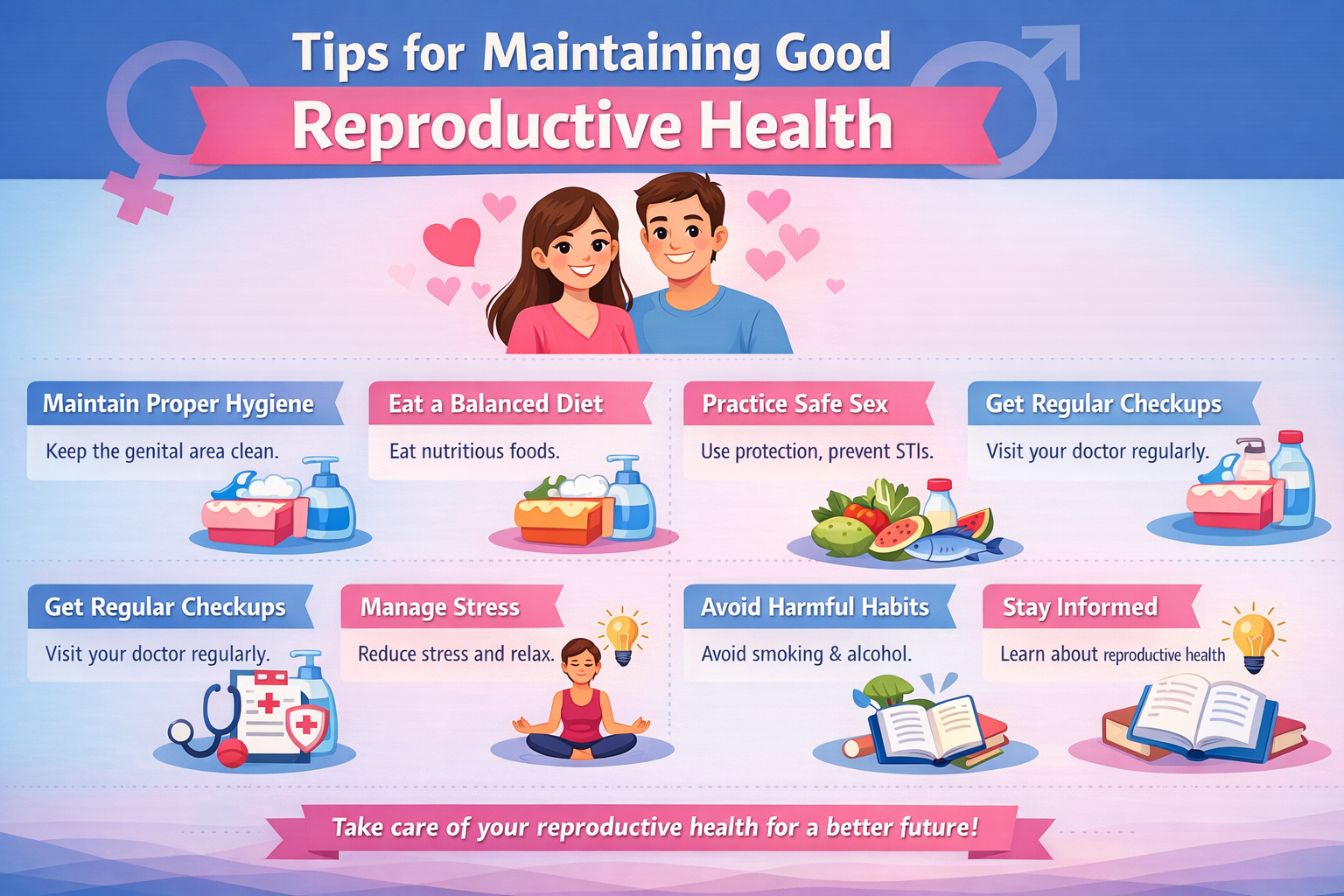
Reproductive health is an important part of overall physical and emotional well-being. It refers to the proper functioning of the reproductive system and the ability to have a safe and healthy sexual life. Maintaining good reproductive health helps prevent infections, supports fertility, and ensures hormonal balance. Both men and women need to take proper care of their reproductive systems through healthy habits, awareness, and regular medical care. By making positive lifestyle choices and staying informed, individuals can protect their reproductive health and improve their quality of life.
Good personal hygiene is one of the most important steps for maintaining reproductive health. Keeping the genital area clean helps prevent infections, irritation, and unpleasant odors. People should wash the genital area daily with mild soap and clean water. Wearing clean and breathable underwear, preferably made of cotton, helps maintain proper air circulation and reduces the risk of bacterial or fungal infections.
For women, menstrual hygiene is especially important. Changing sanitary pads or tampons regularly and maintaining cleanliness during menstruation helps prevent infections and discomfort. Proper hygiene habits not only protect reproductive organs but also contribute to overall health and confidence.
A nutritious diet plays a major role in supporting reproductive health. The body requires essential nutrients to maintain hormonal balance and proper reproductive functions. Foods rich in vitamins, minerals, and antioxidants help improve overall health and fertility.
Including fruits, vegetables, whole grains, lean proteins, nuts, and seeds in daily meals can provide important nutrients such as iron, zinc, calcium, and vitamins like vitamin C, vitamin D, and vitamin E. Drinking plenty of water also helps maintain body functions and supports the reproductive system. A balanced diet not only improves reproductive health but also boosts immunity and energy levels.
Regular physical activity is beneficial for maintaining good reproductive health. Exercise improves blood circulation, helps maintain a healthy weight, and supports hormonal balance. Activities such as walking, jogging, yoga, cycling, or swimming can strengthen the body and improve overall fitness.
Maintaining a healthy weight is important because both obesity and being underweight can affect reproductive hormones and fertility. Regular exercise also reduces the risk of health conditions such as diabetes and heart disease, which can indirectly impact reproductive health.
Safe sexual practices are essential for protecting reproductive health. Using protection such as condoms during sexual activity helps prevent sexually transmitted infections (STIs) and reduces the risk of unintended pregnancies. Being aware of sexual health and having open communication with partners can help build trust and promote responsible behavior.
Regular testing for STIs is also recommended for sexually active individuals. Early detection and treatment can prevent complications and protect long-term reproductive health.
Routine health checkups play an important role in maintaining reproductive health. Women should visit a gynecologist regularly for examinations and screenings related to reproductive health. Men should also consult healthcare professionals if they experience any unusual symptoms such as pain, swelling, or discomfort in the reproductive organs.
Regular medical visits help detect infections, hormonal imbalances, and other reproductive issues at an early stage. Early diagnosis allows proper treatment and prevents serious complications in the future.
Stress can have a negative impact on reproductive health. High stress levels can disrupt hormones, affect menstrual cycles in women, and reduce fertility in both men and women. Managing stress is therefore essential for maintaining a healthy reproductive system.
Practicing relaxation techniques such as meditation, deep breathing exercises, yoga, and spending time with family or friends can help reduce stress. Getting enough sleep and maintaining a healthy work-life balance also contribute to better mental and reproductive health.
Certain lifestyle habits can negatively affect reproductive health. Smoking, excessive alcohol consumption, and drug use can harm the reproductive system and reduce fertility. These habits may also increase the risk of reproductive disorders and other health problems.
Avoiding or limiting these harmful habits can improve reproductive health and overall well-being. Making healthier lifestyle choices supports the body’s natural functions and helps maintain long-term health.
Maintaining good reproductive health requires a combination of healthy lifestyle habits, proper hygiene, safe sexual practices, and regular medical care. Eating a balanced diet, exercising regularly, managing stress, and avoiding harmful substances can significantly improve reproductive health. Education and awareness about reproductive health also help individuals make informed decisions about their bodies. By taking proactive steps today, people can protect their reproductive system and ensure a healthier and more fulfilling life in the future.