


Affordable Gynecology Treatment in Mohali | Expert Women's Healthcare
- July 10,2026
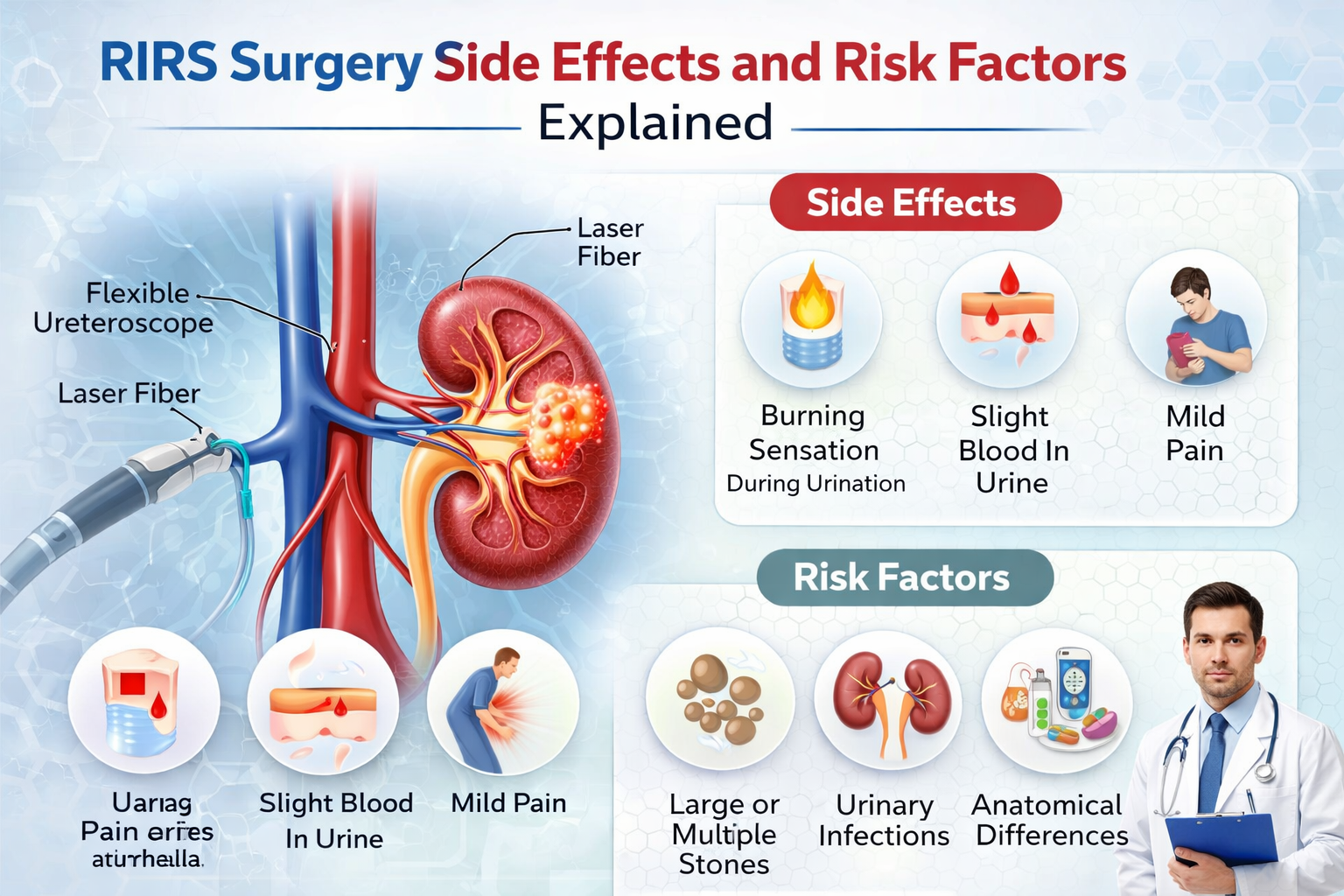
Retrograde Intrarenal Surgery (RIRS) is a modern, minimally invasive procedure used to treat kidney stones. It involves inserting a flexible scope through the urinary tract to reach the kidney and break stones using laser technology. While this technique is widely considered safe and effective, it is important to be aware of possible side effects and risk factors before undergoing the procedure.
RIRS is performed without any external cuts, making it a preferred option for patients with small to medium-sized kidney stones or stones located in hard-to-reach areas. The procedure is usually carried out under anesthesia and allows patients to recover faster compared to traditional surgical methods. Being aware of potential complications helps patients stay prepared for the recovery phase.
After the procedure, patients may experience mild and temporary discomfort. A burning sensation during urination is often reported due to the use of instruments inside the urinary tract. Slight blood in the urine may also appear for a short time and typically improves with proper hydration.
Some patients feel mild pain in the lower abdomen or back. This usually settles within a few days. In many cases, a temporary stent is placed in the ureter, which may cause irritation, frequent urination, or urgency until it is removed.
Although rare, certain complications can occur after RIRS. Infection is one of the risks, especially if bacteria enter the urinary system during the procedure. Symptoms such as fever, chills, or severe discomfort should be addressed immediately.
There is also a small chance of injury to the ureter, as surgical instruments pass through narrow pathways. In some situations, not all stone fragments are removed, which may require additional treatment later.
Several factors can influence the safety and success of RIRS. Patients with large or multiple kidney stones may face slightly higher risks because complete removal can be more complex.
Those with a history of urinary tract infections or kidney-related conditions may have a higher chance of complications. Structural differences in the urinary tract can also make the procedure more challenging.
Age, overall health, and conditions like diabetes can impact healing and recovery. A thorough medical evaluation before surgery helps reduce these risks.
Selecting an experienced urologist and a well-equipped healthcare facility plays a key role in minimizing complications. Following all medical advice before and after the procedure is essential.
Drinking enough water helps flush out small stone fragments and reduces irritation. Taking prescribed medications, including antibiotics, lowers the risk of infection.
Regular follow-up visits ensure proper healing and help detect any issues early. Prompt medical attention for unusual symptoms can prevent serious complications.
RIRS is a reliable and effective option for kidney stone treatment, offering minimal discomfort and faster recovery. While minor side effects may occur, they usually resolve quickly with proper care.
Awareness of potential risks allows patients to take the right precautions and ensures better outcomes. With expert medical support and proper aftercare, the chances of serious complications remain very low.