Affordable Gynecology Treatment in Mohali | Expert Women's Healthcare
- July 10,2026
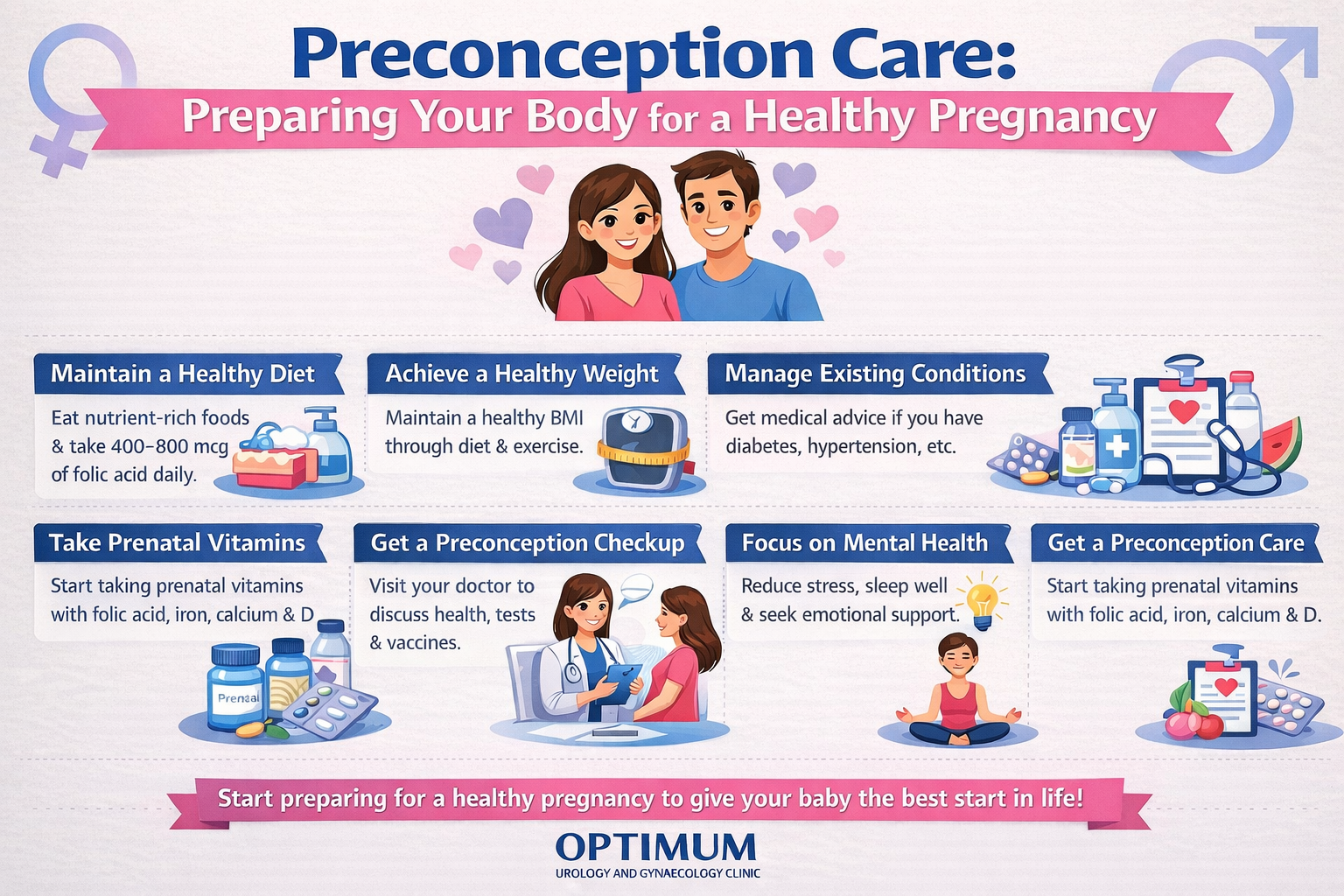
Preconception care refers to the steps and health measures taken before becoming pregnant to improve the chances of a healthy pregnancy and baby. Many couples focus on health only after pregnancy begins, but preparing the body beforehand can significantly reduce risks and improve overall outcomes. Preconception care involves physical health, nutrition, lifestyle habits, and medical guidance to ensure the body is ready for pregnancy.
Preparing your body before pregnancy helps identify and manage potential health risks. Certain health conditions, lifestyle habits, and nutritional deficiencies can affect fertility and pregnancy outcomes. Preconception care allows healthcare professionals to detect these issues early and provide proper guidance. It also helps reduce the risk of complications such as premature birth, low birth weight, and birth defects.
Nutrition plays a crucial role in preparing the body for pregnancy. A balanced diet rich in essential nutrients supports reproductive health and fetal development. Women planning to conceive should include fruits, vegetables, whole grains, lean proteins, and healthy fats in their daily meals.
Folic acid is particularly important because it helps prevent neural tube defects in the baby. Iron, calcium, and vitamins such as vitamin D and B12 are also essential for overall health. Drinking enough water and limiting processed foods, sugary drinks, and excessive caffeine can further support reproductive health.
Maintaining a healthy body weight before pregnancy is important for fertility and pregnancy outcomes. Being underweight or overweight can affect hormonal balance and ovulation. Women with a healthy body mass index (BMI) are more likely to conceive and experience fewer pregnancy complications.
Regular physical activity, such as walking, yoga, swimming, or light exercise, can help maintain a healthy weight and improve overall well-being.
Certain medical conditions can affect pregnancy if they are not properly managed. Conditions such as diabetes, high blood pressure, thyroid disorders, and anemia should be evaluated before trying to conceive.
Consulting a healthcare professional allows women to receive proper treatment, adjust medications if needed, and ensure that the condition is under control before pregnancy begins.
Lifestyle choices can greatly influence fertility and pregnancy health. Smoking, alcohol consumption, and drug use can harm reproductive health and increase the risk of complications during pregnancy. These substances can also affect fetal development.
Women planning to conceive should avoid tobacco, alcohol, and recreational drugs. Reducing caffeine intake and avoiding exposure to harmful chemicals or environmental toxins can also improve reproductive health.
Healthcare providers often recommend prenatal vitamins even before pregnancy begins. These supplements provide important nutrients such as folic acid, iron, and calcium that support the body during early pregnancy.
Starting prenatal vitamins before conception ensures that the body has adequate nutrient levels during the earliest stages of fetal development, which often occur before a woman even knows she is pregnant.
A preconception checkup with a healthcare provider is an essential part of preparing for pregnancy. During this visit, the doctor may review medical history, vaccination status, medications, and lifestyle habits. They may also recommend certain tests to check for infections or health conditions that could affect pregnancy.
This visit provides an opportunity to discuss fertility, pregnancy planning, and any concerns about reproductive health.
Emotional well-being is just as important as physical health when preparing for pregnancy. Stress, anxiety, and lack of sleep can affect hormonal balance and fertility. Practicing relaxation techniques such as meditation, deep breathing, and regular exercise can improve mental health.
Support from family, partners, and healthcare professionals can also help create a positive and healthy environment for pregnancy.
Preconception care is a vital step in ensuring a healthy pregnancy and baby. By focusing on proper nutrition, maintaining a healthy lifestyle, managing medical conditions, and seeking medical advice, couples can significantly improve their chances of a successful pregnancy. Preparing the body before conception not only supports fertility but also promotes the long-term health of both mother and child.