Affordable Gynecology Treatment in Mohali | Expert Women's Healthcare
- July 10,2026
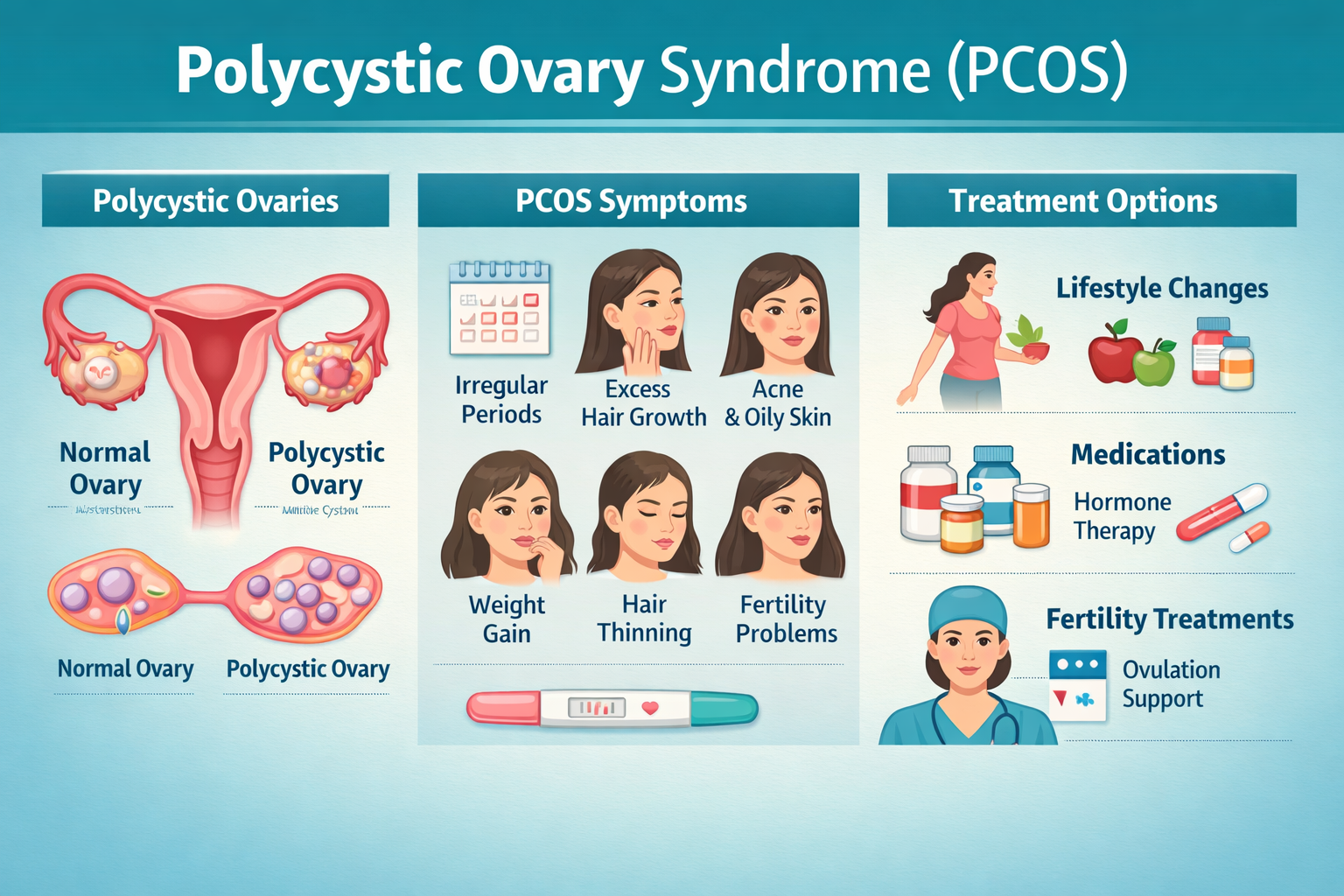
Polycystic Ovary Syndrome (PCOS) is a common hormonal disorder that affects many women during their reproductive years. It occurs when the ovaries produce higher levels of male hormones called androgens, which disrupt the normal hormonal balance in the body. This imbalance can interfere with ovulation and cause irregular menstrual cycles. PCOS can also lead to several physical and metabolic changes, affecting a woman’s reproductive health and overall well-being.
Polycystic Ovary Syndrome is a condition in which the ovaries may develop multiple small fluid-filled sacs known as cysts. These cysts are actually immature follicles that do not release eggs regularly. As a result, ovulation may occur less frequently or may not happen at all. This condition can affect hormone levels, menstrual cycles, and fertility. PCOS is one of the most common causes of ovulation problems in women.
The symptoms of PCOS can vary from woman to woman. One of the most noticeable signs is irregular or missed menstrual periods. Women with PCOS may also experience excessive hair growth on the face, chest, or back due to increased androgen levels. Acne and oily skin are also common because hormonal imbalance can increase oil production in the skin.
Many women with PCOS may gain weight or find it difficult to lose weight even with regular exercise. Hair thinning or hair loss from the scalp is another symptom that may occur. In some cases, women may also experience dark patches of skin, particularly around the neck, underarms, or groin. These symptoms often develop gradually and may become more noticeable over time.
The exact cause of Polycystic Ovary Syndrome is not fully understood, but several factors are believed to contribute to its development. One major factor is insulin resistance, where the body’s cells do not respond properly to insulin. This can cause the body to produce more insulin, which may increase androgen production and disrupt normal ovulation.
Genetics may also play an important role, as PCOS often runs in families. If a mother or sister has PCOS, the chances of developing the condition may increase. In addition, low-grade inflammation in the body may stimulate the ovaries to produce more male hormones, contributing to hormonal imbalance.
If not managed properly, PCOS may increase the risk of several long-term health conditions. Women with this disorder may have a higher chance of developing Type 2 Diabetes due to insulin resistance. The condition may also increase the risk of High Blood Pressure and Heart Disease. Some women may experience difficulty in becoming pregnant because irregular ovulation affects fertility.
Because of these risks, it is important to diagnose and manage PCOS early with proper medical guidance.
Doctors usually diagnose PCOS by reviewing a patient’s symptoms, medical history, and menstrual patterns. Blood tests may be performed to check hormone levels and rule out other possible conditions. An ultrasound scan is often recommended to examine the ovaries and identify the presence of multiple small cysts. These diagnostic methods help confirm whether a woman is affected by PCOS.
Although there is no permanent cure for Polycystic Ovary Syndrome, the condition can be effectively managed with proper treatment and lifestyle changes. Doctors may recommend hormonal medications to regulate menstrual cycles and reduce androgen levels. Some medicines are used to improve insulin sensitivity, which helps control hormonal imbalance.
For women who wish to conceive, fertility treatments may be suggested to stimulate ovulation. Medical guidance plays an important role in selecting the right treatment based on individual symptoms and health conditions.
Healthy lifestyle habits are very important in managing PCOS. Maintaining a balanced diet that includes whole grains, fruits, vegetables, and lean proteins can help regulate blood sugar levels. Regular physical activity can improve insulin sensitivity and support weight management.
Managing stress, getting enough sleep, and avoiding highly processed foods can also help improve hormonal balance. Even small lifestyle changes can make a significant difference in controlling PCOS symptoms.
Polycystic Ovary Syndrome is a common hormonal condition that affects many women worldwide. While it can cause symptoms such as irregular periods, acne, weight gain, and fertility challenges, early diagnosis and proper management can help control the condition effectively. With medical treatment, healthy lifestyle choices, and regular monitoring, women with PCOS can maintain good health and improve their quality of life.