Affordable Gynecology Treatment in Mohali | Expert Women's Healthcare
- July 10,2026
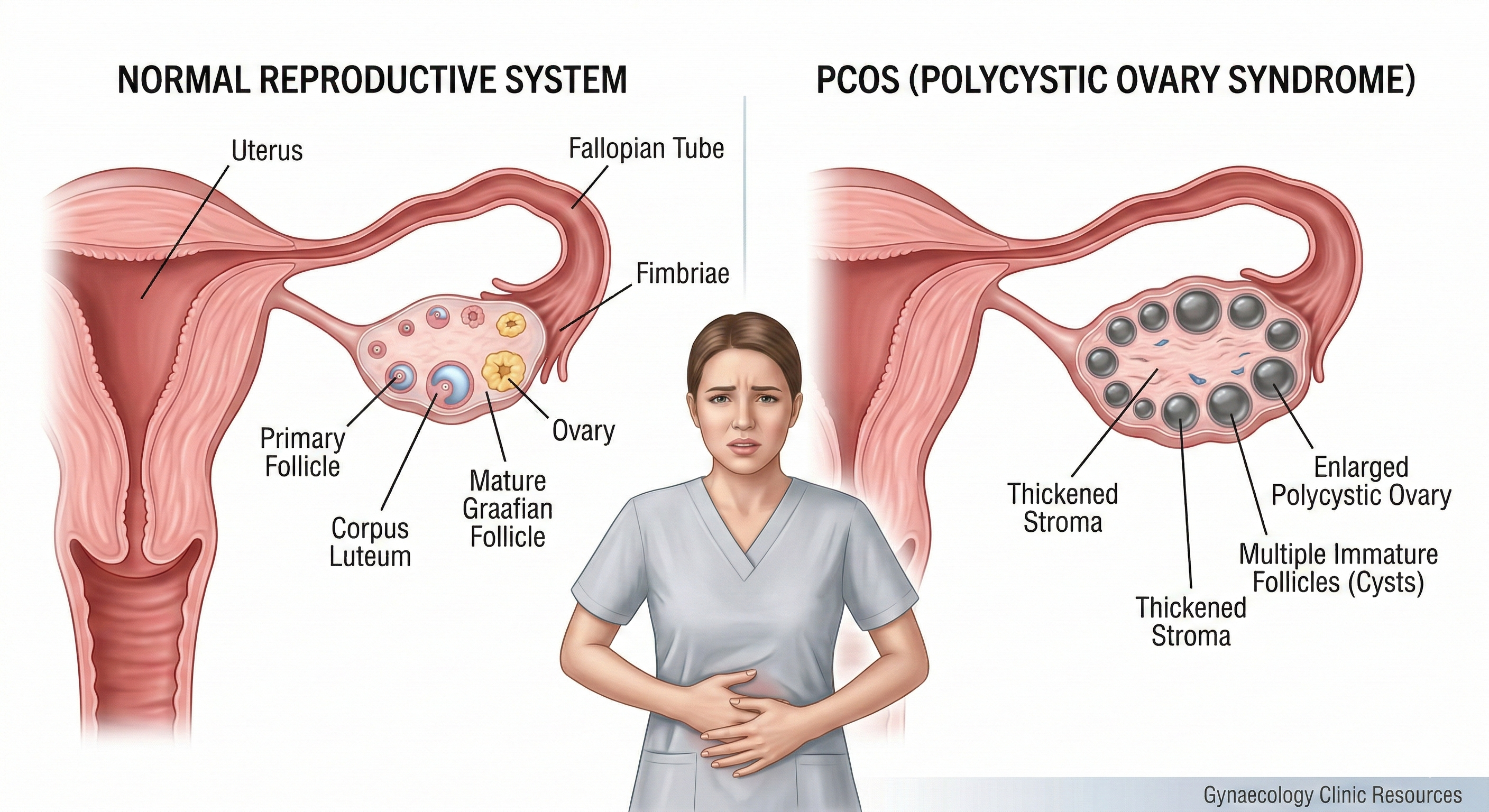
Polycystic Ovary Syndrome (PCOS) is one of the most common hormonal disorders affecting women of reproductive age. It not only impacts menstrual cycles but can also influence fertility, metabolism, weight, and long-term health. Early diagnosis and proper management can significantly reduce complications and improve quality of life.
Understanding the early signs of PCOS, its effect on fertility, and available treatment options is essential for women experiencing irregular periods or hormonal imbalance symptoms.
Polycystic Ovary Syndrome (PCOS) is a hormonal condition where the ovaries produce higher-than-normal levels of androgens (male hormones). This imbalance interferes with ovulation and can cause small fluid-filled sacs (follicles) to develop on the ovaries.
PCOS is a metabolic and endocrine disorder, meaning it affects both hormones and insulin regulation.
Recognizing PCOS symptoms early can help prevent complications such as infertility, diabetes, or heart disease.
One of the earliest and most common signs of PCOS is irregular menstrual cycles. Women may experience:
Missed periods
Infrequent periods
Heavy or prolonged bleeding
Irregular ovulation is usually the main reason behind these cycle changes.
Increased androgen levels can lead to excessive hair growth on the face, chest, back, or abdomen.
Persistent acne, especially in adulthood, may indicate hormonal imbalance related to PCOS.
Many women with PCOS experience weight gain, particularly around the abdomen, due to insulin resistance.
Hair thinning on the scalp (similar to male-pattern baldness) can occur in some cases.
Darkened skin patches (acanthosis nigricans), usually around the neck or underarms, are linked to insulin resistance.
PCOS is one of the leading causes of infertility in women. The main issue is irregular or absent ovulation (anovulation). Without regular ovulation, releasing an egg for fertilization becomes difficult.
Women with PCOS may experience:
Delayed conception
Difficulty predicting ovulation
Higher risk of miscarriage
However, it is important to note that PCOS does not mean permanent infertility. With proper treatment and lifestyle changes, many women successfully conceive.
Doctors typically diagnose PCOS using:
Medical history and symptom evaluation
Pelvic ultrasound
Blood tests to measure hormone levels
Diagnosis often follows the Rotterdam criteria, which require at least two of the following:
Irregular ovulation
High androgen levels
Polycystic ovaries on ultrasound
There is no permanent cure for PCOS, but symptoms can be effectively managed.
Lifestyle changes are the first line of treatment:
Maintain a healthy weight
Regular physical activity
Balanced diet with low refined sugar
Adequate sleep
Even a 5–10% weight reduction can improve ovulation and hormone balance.
Doctors may prescribe hormonal birth control pills to regulate periods and reduce androgen levels.
For women trying to conceive:
Ovulation-inducing medications
Hormonal therapy
Assisted reproductive techniques if required
Early consultation improves pregnancy success rates.
Medications such as insulin-sensitizing drugs may help improve metabolic health.
If left untreated, PCOS can increase the risk of:
Type 2 diabetes
High blood pressure
Heart disease
Endometrial cancer
Anxiety and depression
Early diagnosis and continuous monitoring are essential for long-term health.
Consult a gynecologist if you experience:
Irregular or missed periods
Difficulty conceiving
Excess facial hair or persistent acne
Sudden weight gain
Timely medical evaluation can prevent complications and improve fertility outcomes.
PCOS in women is a manageable condition when identified early. Understanding the early signs, fertility impact, and available treatment options empowers women to take control of their reproductive and overall health.
With proper lifestyle adjustments, medical guidance, and regular monitoring, women with PCOS can lead healthy lives and achieve successful pregnancies.
If you are experiencing symptoms of PCOS, seek medical advice for accurate diagnosis and personalized treatment.