


Affordable Gynecology Treatment in Mohali | Expert Women's Healthcare
- July 10,2026
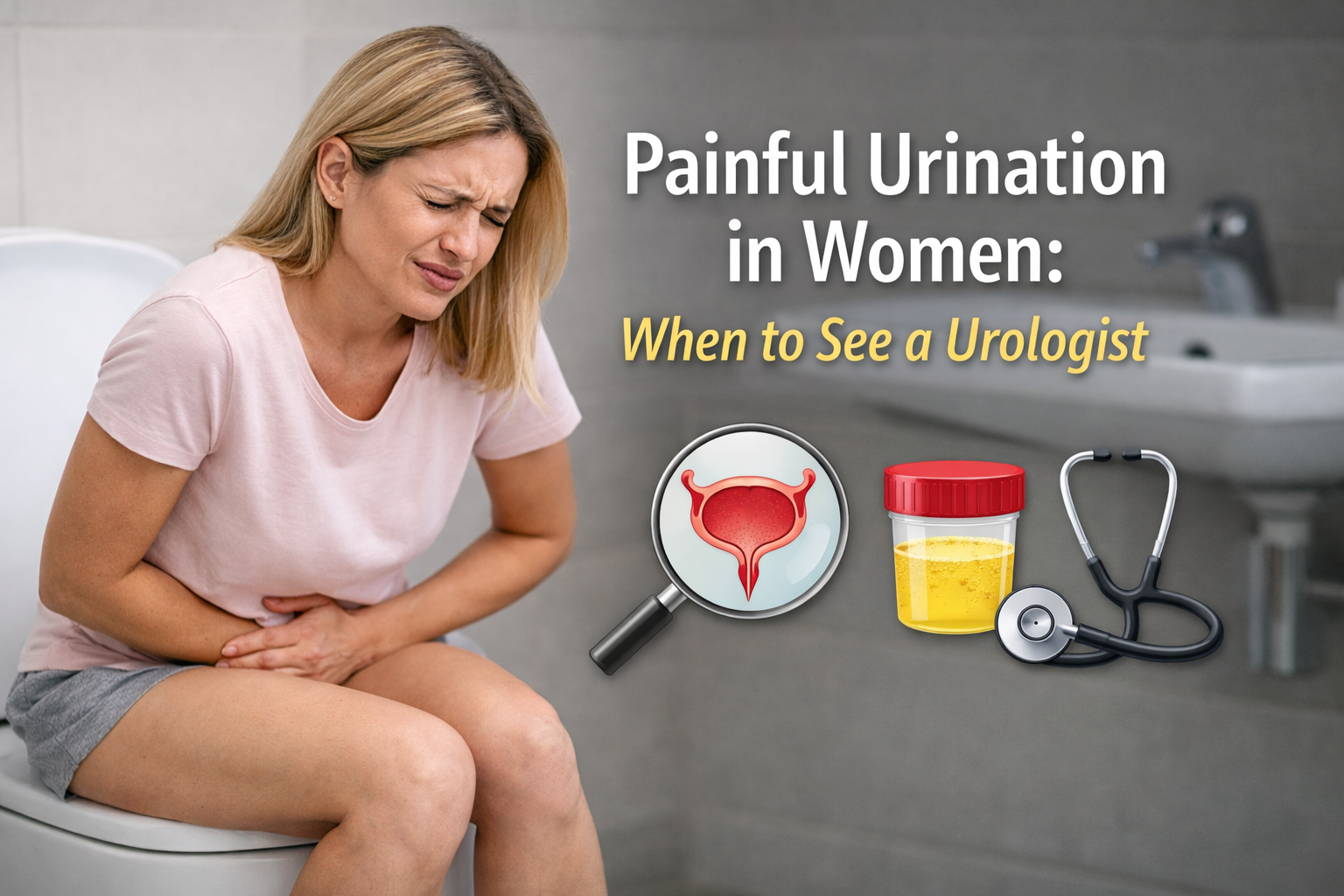
Painful urination, medically known as dysuria, is a common issue many women experience at some point in their lives. It often feels like a burning, stinging, or discomfort while passing urine. While sometimes it may be temporary and mild, persistent or severe pain can indicate an underlying health condition that requires medical attention.
Pain during urination is usually a sign that something is irritating the urinary tract. This could involve the bladder, urethra, or surrounding pelvic organs. Women are more prone to urinary issues due to their shorter urethra, which allows bacteria to enter the bladder more easily.
One of the most frequent causes is a urinary tract infection (UTI). Bacteria entering the urinary system can lead to inflammation and discomfort. Along with pain, women may also experience frequent urges to urinate, cloudy urine, or a strong odor.
Another possible cause is a yeast infection, which can result in irritation, itching, and a burning sensation during urination. Hormonal changes, antibiotics, or a weakened immune system can increase the risk.
Sexually transmitted infections (STIs) such as chlamydia or gonorrhea can also lead to painful urination. These infections often come with additional symptoms like unusual discharge or pelvic pain.
In some cases, bladder inflammation (cystitis) or conditions like interstitial cystitis can cause ongoing discomfort without a clear infection. Additionally, irritation from personal hygiene products, soaps, or tight clothing may also trigger symptoms.
While mild discomfort may go away on its own, there are certain signs that should not be ignored. You should consider consulting a urologist if the pain persists for more than a couple of days or becomes more intense over time.
If you notice blood in your urine, experience fever, chills, or lower abdominal pain, it could indicate a more serious infection that needs prompt treatment. Frequent urination, urgency, or the inability to completely empty the bladder are also warning signs.
Women who experience repeated urinary infections or recurring pain should seek professional evaluation. A urologist can identify the root cause and recommend targeted treatment to prevent long-term complications.
A urologist may begin with a detailed medical history and physical examination. Simple tests such as a urine analysis can help detect infections or abnormalities. In more complex cases, additional tests like ultrasound, cystoscopy, or urodynamic studies may be recommended to assess bladder function.
Treatment depends on the underlying cause. Bacterial infections are usually treated with antibiotics, while antifungal medications may be prescribed for yeast infections. For chronic conditions like interstitial cystitis, lifestyle changes, medications, and specialized therapies may be suggested.
Drinking plenty of water, maintaining proper hygiene, and avoiding irritants can support recovery and prevent recurrence.
Maintaining urinary health is essential for preventing painful urination. Simple habits like staying hydrated, urinating after intercourse, and avoiding harsh feminine products can make a significant difference. Wearing breathable cotton underwear and practicing good hygiene also help reduce the risk of infections.
Painful urination in women should never be ignored, especially if it is persistent or accompanied by other symptoms. Early diagnosis and timely treatment can prevent complications and improve overall quality of life. If you are experiencing ongoing discomfort, consulting a qualified urologist is the best step toward effective care and long-term relief.