Affordable Gynecology Treatment in Mohali | Expert Women's Healthcare
- July 10,2026
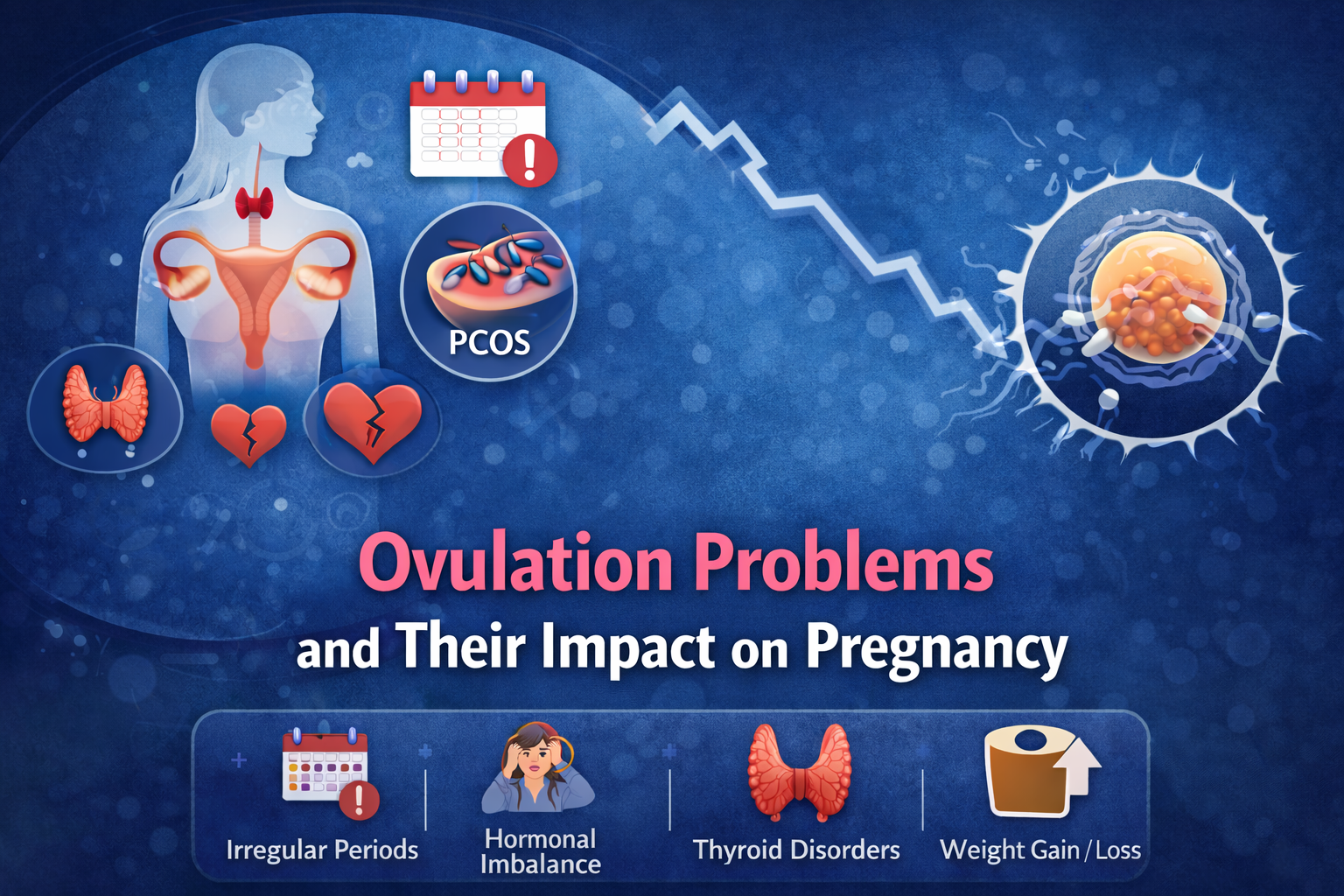
Ovulation is a key process in the female reproductive system and plays a vital role in achieving pregnancy. During ovulation, one of the ovaries releases a mature egg that travels through the fallopian tube, where it can be fertilized by sperm. This process usually occurs once during each menstrual cycle. When ovulation happens regularly, the chances of conception increase. However, if ovulation does not occur properly or happens irregularly, it can make it difficult for a woman to get pregnant.
Ovulation problems are one of the most common causes of infertility among women. Understanding these issues and their impact on fertility can help women seek timely medical advice and improve their chances of a successful pregnancy.
Ovulation problems occur when the ovaries do not release an egg during the menstrual cycle or when the timing of ovulation becomes irregular. In a healthy reproductive system, hormones coordinate to stimulate the ovaries to mature and release an egg each month. If there is a disruption in this hormonal communication, ovulation may be delayed, irregular, or may not occur at all.
Some women experience occasional irregular ovulation, while others may have a condition known as anovulation, where ovulation does not occur for several cycles. Without ovulation, natural conception becomes difficult because there is no egg available for fertilization.
Several factors can interfere with the normal ovulation process. One of the most common causes is hormonal imbalance, which can affect the signals between the brain and the ovaries. When hormone levels are not properly balanced, the ovaries may not release an egg regularly.
Polycystic ovary syndrome (PCOS) is another major cause of ovulation disorders and often leads to irregular menstrual cycles. Thyroid gland disorders can also disrupt hormone levels and affect ovulation. In addition, excessive stress, unhealthy lifestyle habits, obesity, or sudden weight loss can interfere with the body’s reproductive hormones.
Certain medical conditions such as premature ovarian insufficiency may also cause the ovaries to stop functioning normally before the age of forty, leading to ovulation difficulties.
Women with ovulation problems often notice changes in their menstrual cycle. Irregular periods or missed periods are common indicators that ovulation may not be occurring regularly. Some women may experience very light or very heavy bleeding during their cycles.
Another major sign is difficulty in conceiving despite trying for several months or years. Hormonal imbalance associated with ovulation disorders may also lead to symptoms such as acne, unexplained weight gain, excessive hair growth, or thinning hair. However, some women may not experience obvious symptoms, which makes medical evaluation important.
Ovulation is essential for pregnancy because fertilization can only occur when an egg is released from the ovary. If ovulation does not happen during a cycle, there is no egg available for sperm to fertilize, making pregnancy impossible during that time.
Irregular ovulation can also make it difficult for couples to identify the fertile window, which reduces the chances of successful conception. Over time, untreated ovulation problems can lead to long-term fertility issues and emotional stress for couples trying to conceive.
Doctors use several methods to identify ovulation disorders. The evaluation usually begins with a review of the woman’s menstrual history and symptoms. Blood tests are commonly used to measure hormone levels and determine whether ovulation is occurring normally.
Ultrasound scans may also be performed to monitor the ovaries and observe the development of follicles, which are responsible for releasing eggs. In some cases, additional tests may be recommended to detect underlying conditions affecting fertility.
Treatment for ovulation problems depends on the underlying cause. In many cases, lifestyle changes such as maintaining a healthy weight, following a balanced diet, and reducing stress can help restore hormonal balance and improve ovulation.
Doctors may also prescribe medications that stimulate the ovaries to release eggs regularly. Hormonal treatments can help regulate menstrual cycles and support ovulation. In more complex situations, assisted reproductive techniques such as fertility treatments may be recommended to increase the chances of pregnancy.
Women who experience irregular periods, missed cycles, or difficulty conceiving for more than a year should consider consulting a healthcare professional. Early diagnosis can help identify the root cause of ovulation problems and allow doctors to recommend the most effective treatment.
Ovulation problems can significantly affect a woman’s ability to conceive, but many of these issues can be treated with proper medical care and lifestyle adjustments. Understanding how ovulation works and recognizing the signs of ovulation disorders can help women take timely action. With the right treatment and guidance, many women with ovulation problems can successfully achieve pregnancy and build healthy families.