


Affordable Gynecology Treatment in Mohali | Expert Women's Healthcare
- July 10,2026
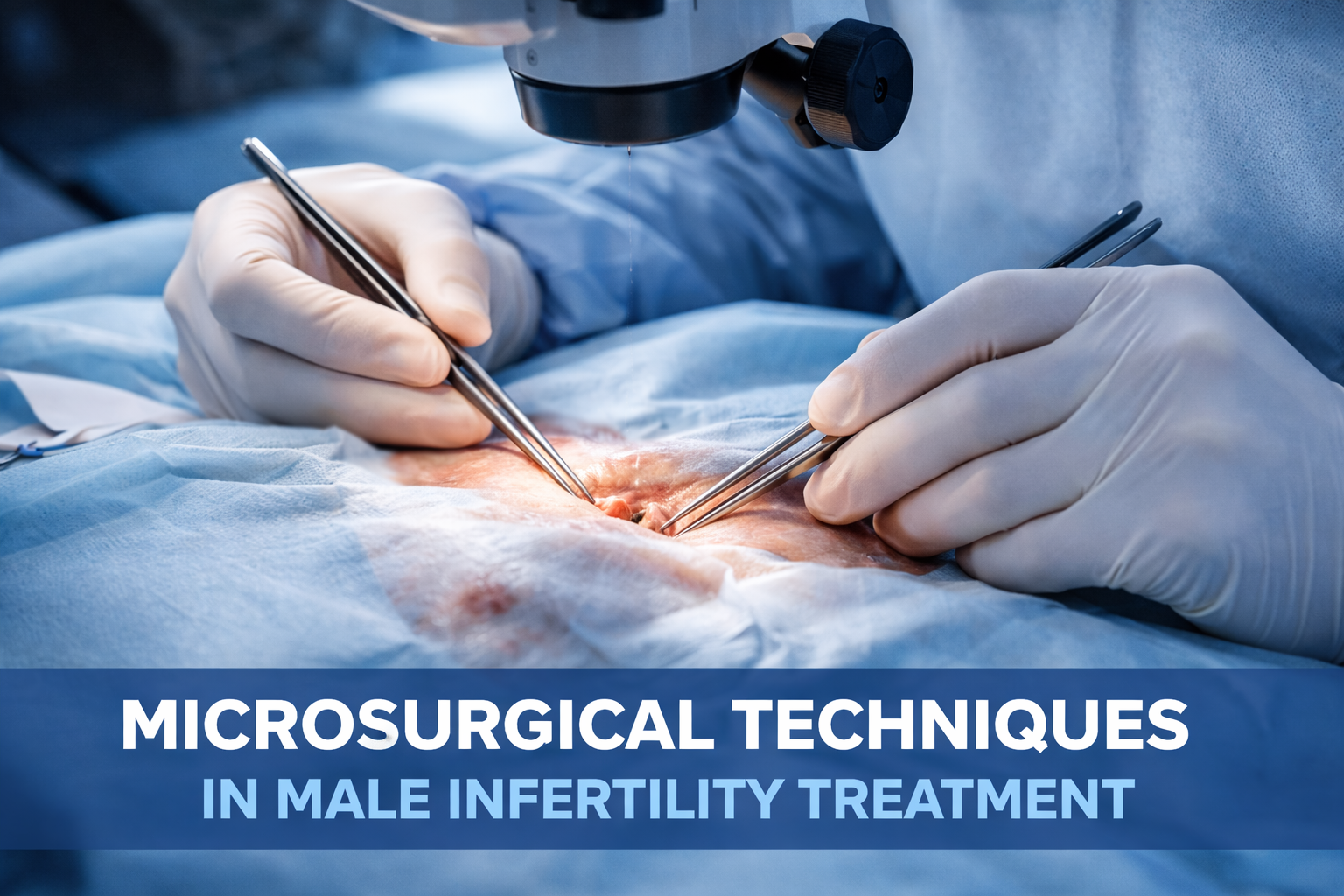
Male infertility is a sensitive yet increasingly common issue affecting many couples today. With advancements in medical science, microsurgical techniques have emerged as highly effective solutions for diagnosing and treating complex male reproductive problems. These advanced procedures offer precision, better outcomes, and renewed hope for natural conception.
Microsurgical techniques are specialized surgical procedures performed using a high-powered operating microscope and fine instruments. This approach allows surgeons to operate on delicate structures within the male reproductive system with extreme accuracy, minimizing damage and improving success rates.
Microsurgery has become the gold standard in many infertility treatments due to its multiple benefits. It allows better visualization of small blood vessels and tissues, ensuring precise treatment.
Varicocele is one of the leading causes of male infertility. This condition involves enlarged veins in the scrotum that affect sperm production. Microsurgical varicocelectomy is considered the most effective treatment.
It helps improve sperm count, enhances sperm motility, and increases the chances of natural conception.
Micro-TESE is an advanced procedure used in men with non-obstructive azoospermia, where sperm are not present in semen.Using a microscope, the surgeon identifies healthy sperm-producing areas in the testes and extracts viable sperm. These sperm are then used in assisted reproductive techniques such as IVF or ICSI.
This microsurgical procedure reconnects the vas deferens that were cut during a vasectomy. It restores the natural flow of sperm, allowing couples to conceive naturally. The use of microsurgery significantly improves the success rate of this procedure.
This is a more complex microsurgical technique used when there is a blockage in the epididymis. The surgeon creates a new pathway for sperm to bypass the blockage, restoring fertility in cases of obstructive azoospermia.
Microsurgical techniques are ideal for men experiencing:
Microsurgical procedures are known for their high success rates when performed by experienced specialists. Many patients see significant improvement in sperm quality and fertility potential. In some cases, these techniques can even restore natural conception, reducing the need for assisted reproductive methods.
Recovery after microsurgical procedures is usually quick and smooth. Most patients can return to their daily activities within a few days.
Microsurgical techniques have revolutionized the treatment of male infertility by offering precise, safe, and highly effective solutions. Whether it is sperm retrieval, blockage repair, or varicocele treatment, these advanced procedures provide new hope for couples trying to conceive.