


Affordable Gynecology Treatment in Mohali | Expert Women's Healthcare
- July 10,2026
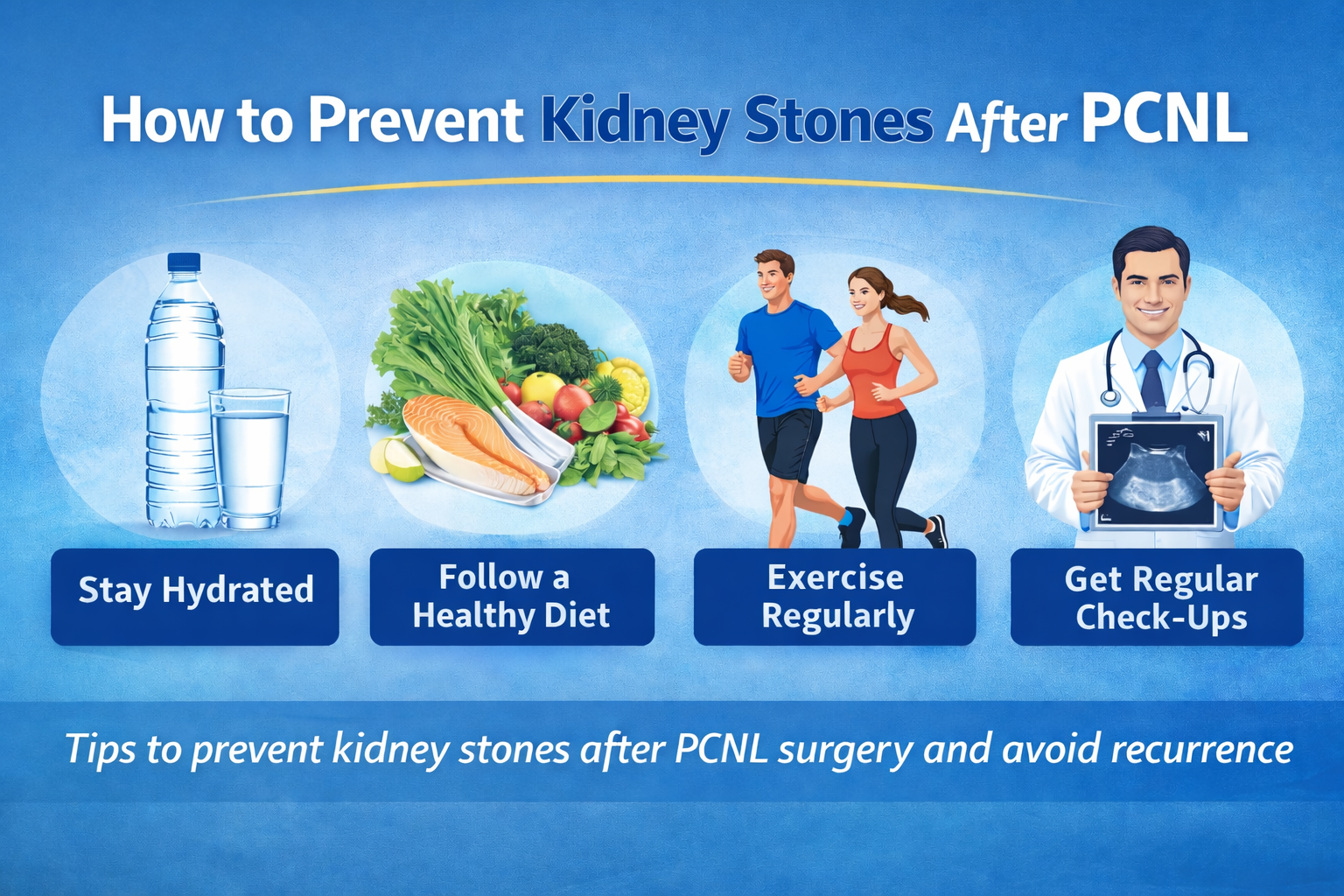
PCNL (Percutaneous Nephrolithotomy) is a highly effective procedure for removing large kidney stones, but treatment does not end with surgery. Without proper care, kidney stones can form again. Prevention after PCNL is essential to protect kidney health and avoid future complications.
Even after successful removal, kidney stones may return due to factors like dehydration, poor diet, or underlying metabolic issues. The body may continue to produce excess minerals such as calcium, oxalate, or uric acid, which can form new stones over time. This is why long-term prevention is just as important as treatment.
Drinking enough water is the most effective way to prevent kidney stones. Proper hydration helps dilute minerals in the urine, reducing the chances of stone formation. Aim to drink plenty of fluids daily so that urine remains clear or light in color.
Including fluids like coconut water or lemon water can also support kidney function and help reduce stone risk.
Diet plays a major role in preventing kidney stones after PCNL. It is important to maintain a balanced intake of nutrients while avoiding foods that may trigger stone formation.
Reduce intake of high-salt foods, processed items, and excessive sugar. Limit foods rich in oxalate such as spinach, chocolate, and nuts if advised by your doctor. At the same time, include fresh fruits, vegetables, and a moderate amount of calcium in your daily diet.
High sodium intake increases calcium levels in urine, which can lead to stone formation. Reducing salt in your meals and avoiding packaged or processed foods can significantly lower the risk of recurrence.
Cooking fresh meals at home and choosing natural ingredients is a better approach for maintaining kidney health.
Regular physical activity helps improve overall health and supports proper kidney function. Staying active also helps maintain a healthy weight, which is important in preventing stone formation.
Avoid habits like excessive consumption of sugary drinks and maintain a consistent daily routine that supports hydration and balanced nutrition.
In some cases, doctors may prescribe medications to control the levels of minerals in the body. These medications help reduce the chances of new stones forming. It is important to follow medical advice and complete the prescribed course without interruption.
Follow-up visits after PCNL are important to monitor kidney health. Regular check-ups and imaging tests can help detect any early signs of stone formation. Early detection allows timely intervention and prevents complications.
Do not ignore symptoms such as pain in the lower back, difficulty in urination, or blood in urine. These signs may indicate the formation of new stones. Seeking medical attention at the right time can prevent the condition from worsening.
Preventing kidney stones after PCNL requires a combination of proper hydration, a balanced diet, and a healthy lifestyle. With consistent care and regular monitoring, the chances of recurrence can be significantly reduced. Taking preventive steps not only protects your kidneys but also ensures long-term relief from kidney stone problems.