Affordable Gynecology Treatment in Mohali | Expert Women's Healthcare
- July 10,2026
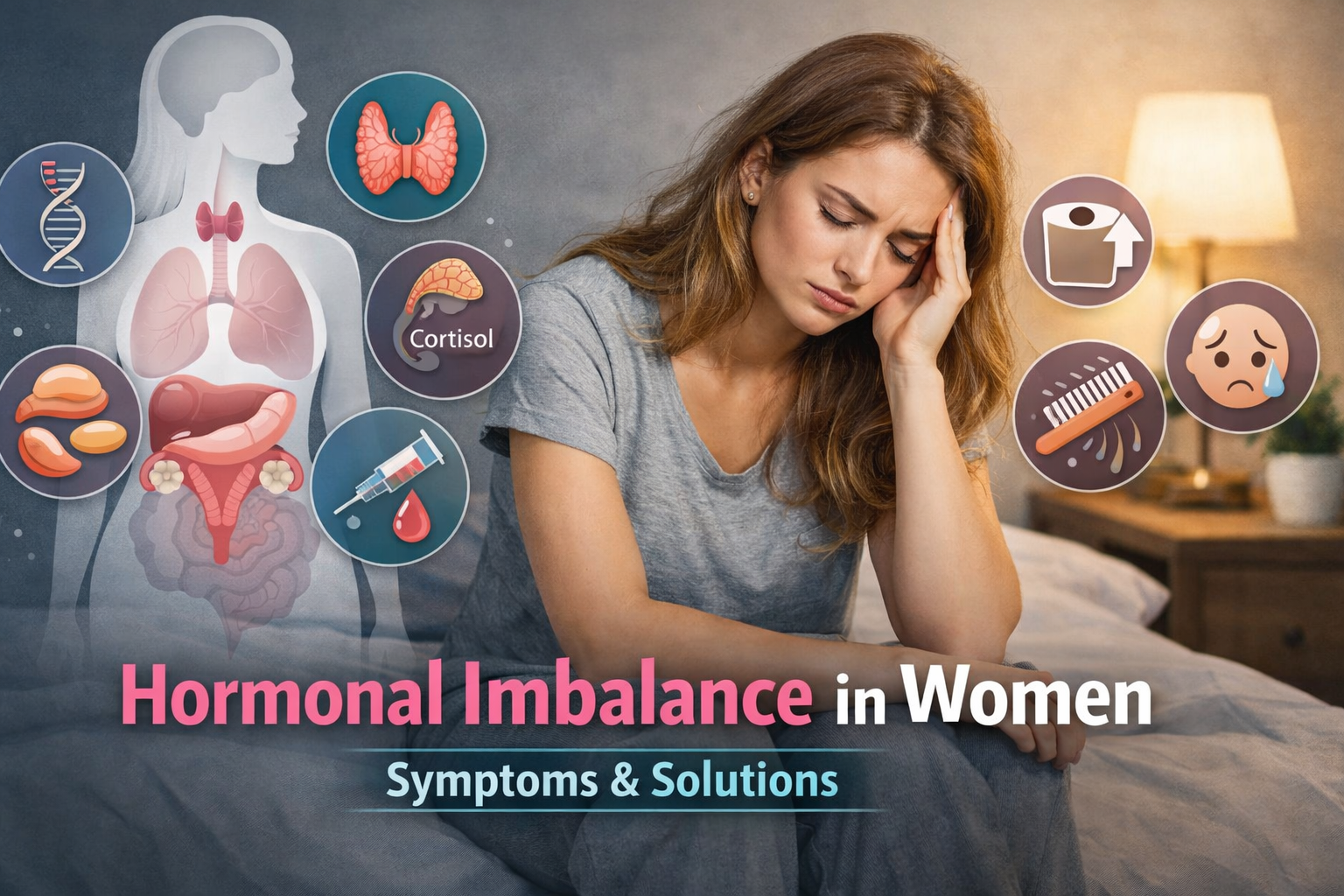
Hormones are chemical messengers that play a crucial role in regulating many important functions in a woman’s body. They control metabolism, mood, reproductive health, sleep patterns, and energy levels. When these hormones become unbalanced, they can affect both physical and emotional well-being. Hormonal imbalance is a common health concern among women and can occur at different stages of life, including puberty, pregnancy, and menopause.
Hormonal imbalance occurs when the body produces too much or too little of certain hormones. Even a small change in hormone levels can disrupt the body’s natural processes. In women, hormones such as estrogen, progesterone, thyroid hormones, cortisol, and insulin play a significant role in maintaining overall health. When these hormones are not balanced, it can lead to several health issues that affect daily life.
There are many factors that can contribute to hormonal imbalance in women. One of the most common causes is chronic stress, which increases the level of cortisol in the body and interferes with other hormones. Poor dietary habits, such as consuming excessive sugar and processed foods, can also disturb hormone production. Medical conditions like polycystic ovary syndrome (PCOS) and thyroid disorders are major contributors as well. In addition, natural life transitions such as pregnancy, menopause, and perimenopause often lead to hormonal fluctuations.
The symptoms of hormonal imbalance can vary depending on the hormones affected. Many women experience irregular or missed menstrual cycles when hormone levels are disrupted. Weight gain without a clear reason is also a common symptom. Skin problems such as acne, as well as hair thinning or hair loss, may occur due to hormonal changes.
Emotional symptoms are also common. Women may experience mood swings, anxiety, irritability, or depression. Constant fatigue, low energy levels, sleep disturbances, and reduced libido can also be signs of hormonal imbalance. In some cases, women may face difficulty in conceiving due to hormonal irregularities.
If hormonal imbalance is not managed properly, it may lead to several medical conditions. These include polycystic ovary syndrome (PCOS), thyroid disorders, infertility, diabetes, and severe premenstrual syndrome (PMS). Long-term hormonal disturbances can also increase the risk of osteoporosis and other metabolic disorders.
Managing hormonal imbalance often involves a combination of lifestyle changes and medical treatment. Maintaining a balanced and nutritious diet can help support healthy hormone production. Foods rich in vitamins, minerals, healthy fats, and proteins can help regulate hormone levels naturally.
Regular physical activity is also important because exercise helps maintain a healthy weight and improves hormone balance. Managing stress through activities such as meditation, yoga, or relaxation techniques can also support hormonal health.
Getting enough sleep is another key factor because the body regulates many hormones during sleep. If lifestyle changes are not enough, doctors may recommend medical treatments such as hormone therapy, birth control pills, or medications for thyroid or other underlying conditions.
It is important to consult a doctor if symptoms of hormonal imbalance persist for a long time. Irregular periods, severe mood changes, unexplained weight changes, and fertility problems should not be ignored. A healthcare professional can recommend blood tests or other diagnostic tests to identify the underlying cause and suggest appropriate treatment.
Hormonal imbalance in women can affect many aspects of health, including physical well-being, emotional stability, and reproductive health. Recognizing the symptoms early and taking steps to maintain a healthy lifestyle can help restore hormonal balance. With proper medical guidance and self-care, women can effectively manage hormonal changes and maintain a healthy and balanced life.