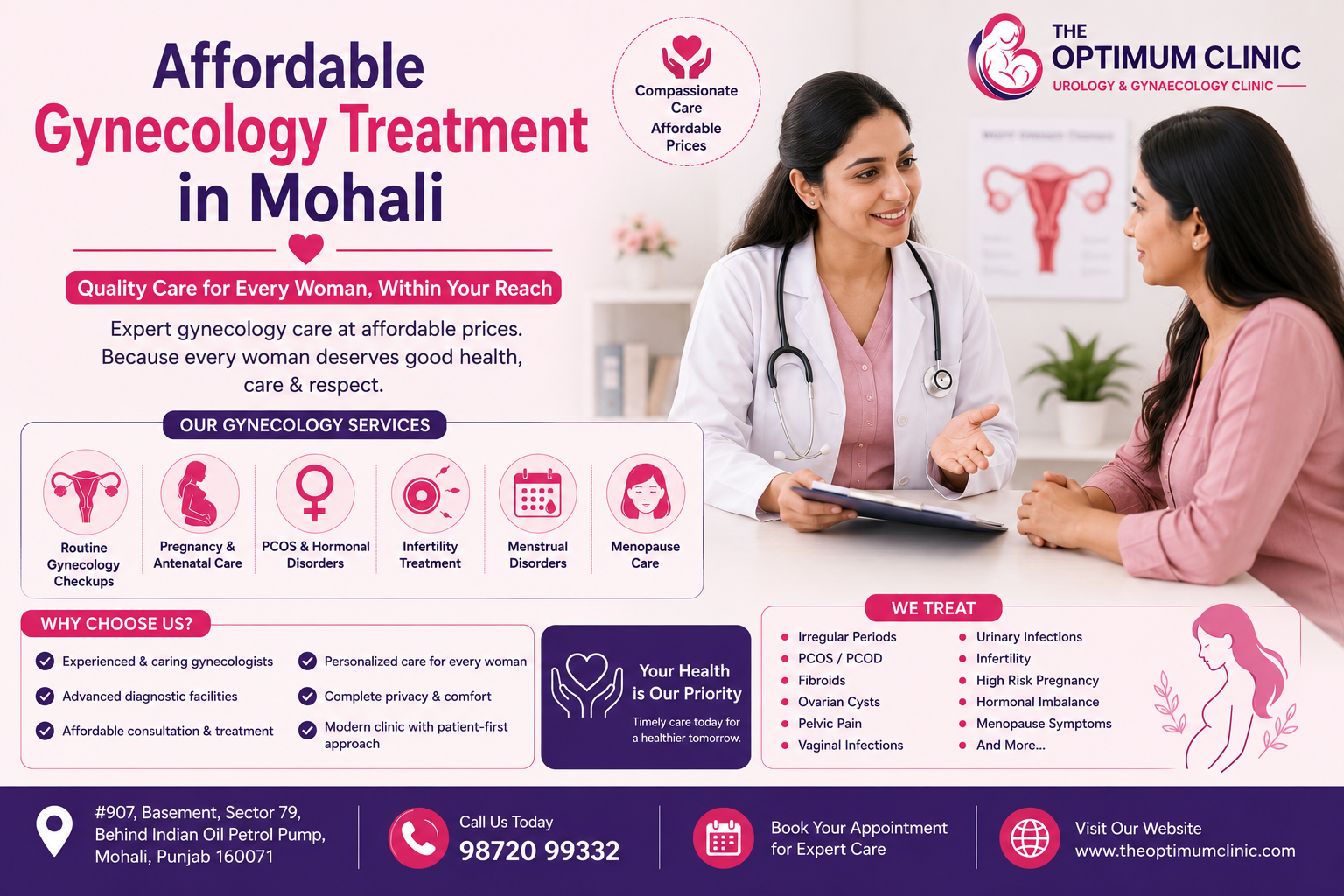
Affordable Gynecology Treatment in Mohali | Expert Women's Healthcare
- July 10,2026
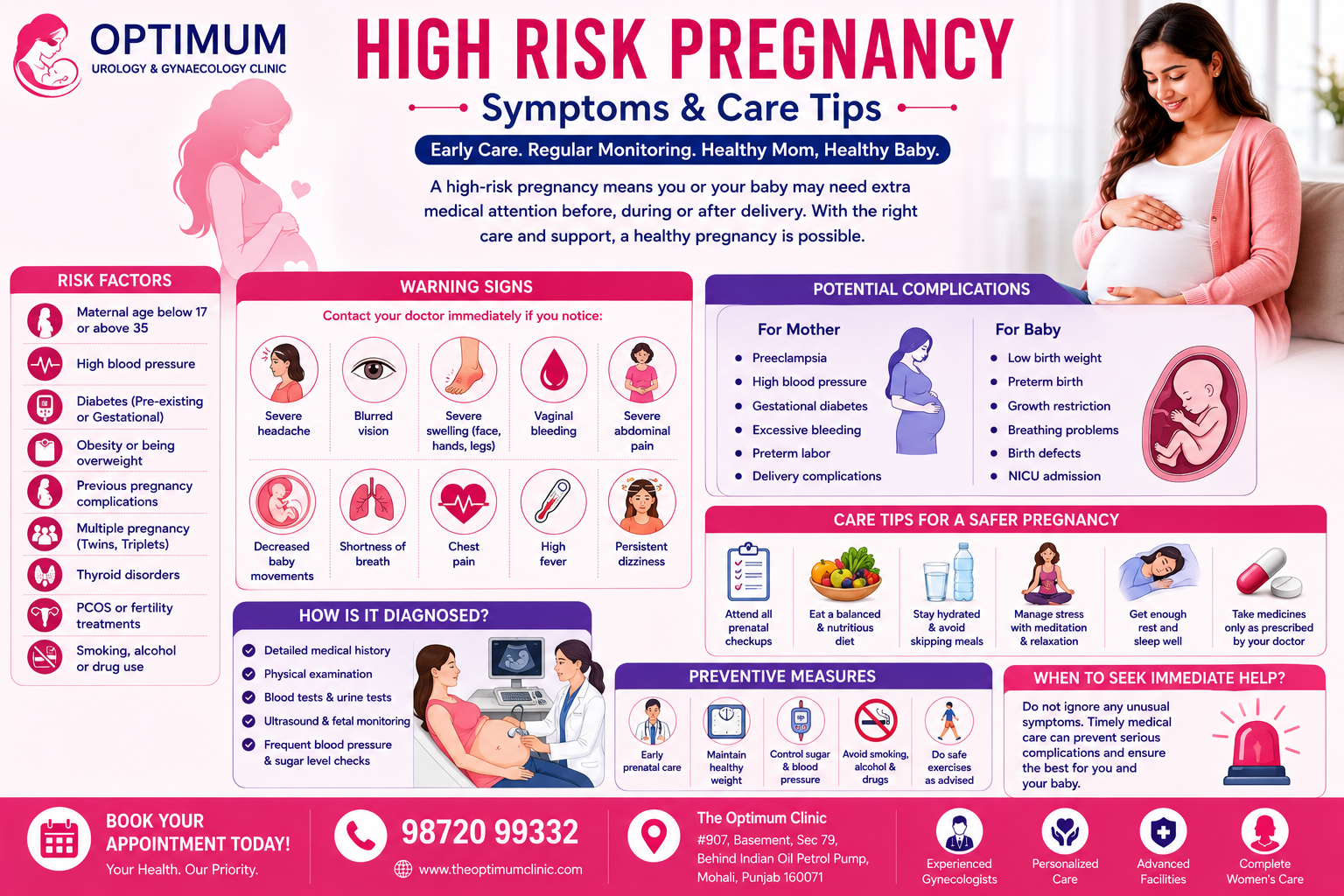
Pregnancy is a beautiful and life-changing experience, but not all pregnancies follow the same path. While most pregnancies progress normally with routine prenatal care, some pregnancies require extra monitoring and specialized medical attention. These are known as high-risk pregnancies.
A high-risk pregnancy does not necessarily mean something will go wrong. It simply means that the mother, baby, or both may have an increased risk of complications during pregnancy, labor, or delivery. With proper medical supervision, early diagnosis, and personalized care, many women with high-risk pregnancies go on to deliver healthy babies.
This comprehensive guide explains everything you need to know about high-risk pregnancy, including causes, symptoms, risk factors, complications, diagnosis, treatment options, preventive measures, and expert care tips for a healthy pregnancy.
A high-risk pregnancy is a pregnancy in which the mother or baby has an increased chance of developing health complications before, during, or after delivery.
Doctors classify a pregnancy as high-risk when certain medical, lifestyle, or pregnancy-related conditions may affect the health of the mother or unborn baby.
Women with high-risk pregnancies typically require:
Age plays an important role in pregnancy outcomes.
Pregnancies may be considered higher risk when:
Advanced maternal age can increase the risk of:
Hypertension during pregnancy can affect blood flow to the placenta and may lead to serious complications if not controlled.
Women with pre-existing diabetes or gestational diabetes require close monitoring throughout pregnancy.
Excess weight can increase the risk of:
Pregnancies involving twins, triplets, or higher-order multiples are generally considered high-risk.
Women who experienced complications in earlier pregnancies may require additional monitoring.
Women with PCOS or pregnancies achieved through fertility treatments may have increased monitoring requirements.
Both underactive and overactive thyroid conditions can affect pregnancy outcomes.
Certain autoimmune diseases may increase pregnancy risks and require specialist care.
Some symptoms should never be ignored during pregnancy.
Immediate medical attention is essential if any of these symptoms occur.
Preeclampsia is one of the most serious pregnancy complications.
It is characterized by:
Early diagnosis and treatment are critical.
Gestational diabetes develops during pregnancy and can affect both mother and baby.
Potential complications include:
Doctors review:
Routine examinations help monitor maternal health.
Additional ultrasounds may be required to monitor fetal growth and development.
Laboratory testing helps identify conditions that may affect pregnancy.
Women with high-risk pregnancies generally require more frequent prenatal visits than women with low-risk pregnancies.
Monitoring may include:
Regular medical visits help detect complications early.
Take medications only as prescribed and follow your doctor's instructions.
Focus on:
Adequate water intake supports overall pregnancy health.
Stress management techniques such as yoga, meditation, and relaxation exercises can be helpful.
Pay attention to fetal activity and report significant changes to your doctor.
Rest plays an important role in supporting maternal and fetal well-being.
Exercise recommendations vary depending on the specific condition.
Some women may benefit from light physical activity, while others may require activity restrictions.
Always consult your healthcare provider before exercising.
Many women with high-risk pregnancies can still have vaginal deliveries.
The delivery method depends on:
Learn more about women's healthcare and pregnancy care:
At The Optimum Clinic, we provide advanced prenatal care, high-risk pregnancy management, fertility consultation, PCOS treatment, and comprehensive women's healthcare services.
Our experienced gynecology team offers personalized monitoring and compassionate care to support mothers throughout their pregnancy journey.
Yes. With proper monitoring and medical care, many high-risk pregnancies result in healthy deliveries.
Preeclampsia, gestational diabetes, and hypertension are among the most common complications.
Your doctor will determine the frequency of visits based on your individual condition.
Excessive stress may affect overall health, making stress management an important part of pregnancy care.
A high-risk pregnancy requires extra attention, but it does not mean a healthy outcome is impossible. Early diagnosis, proper prenatal care, healthy lifestyle choices, and regular monitoring significantly improve the chances of a successful pregnancy and delivery.
If you have concerns about your pregnancy, consulting an experienced gynecologist can help ensure the best possible care for both mother and baby.
Looking for expert high-risk pregnancy care in Mohali?
Visit The Optimum Clinic for personalized prenatal care, advanced pregnancy monitoring, and comprehensive women's healthcare services.
???? Call: 9872099332
???? Optimum Clinic, #907 Basement, Sec 79, Behind Indian Oil Petrol Pump, Mohali