Affordable Gynecology Treatment in Mohali | Expert Women's Healthcare
- July 10,2026
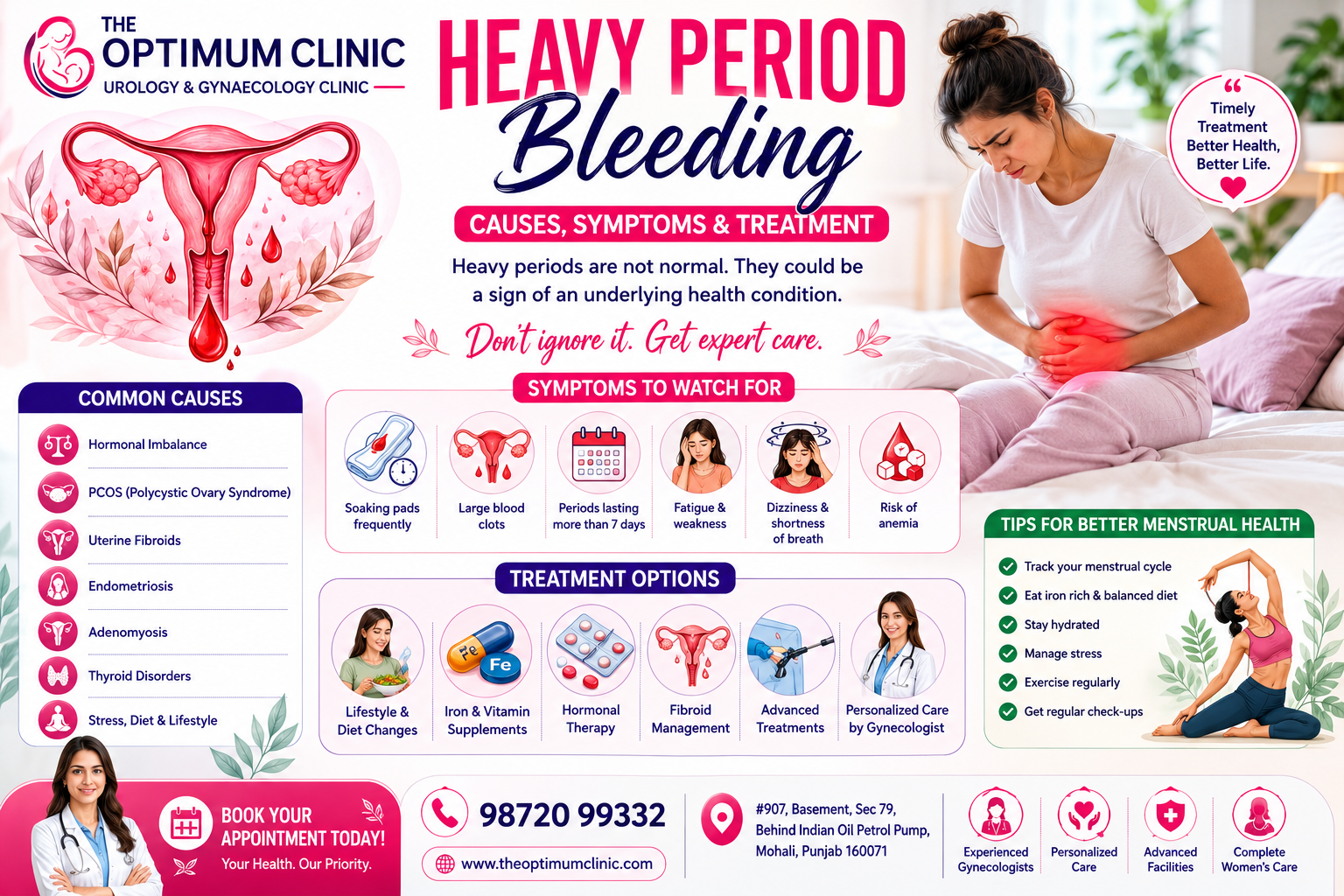
Many women believe that heavy bleeding during periods is normal because they have experienced it for years. However, excessively heavy menstrual bleeding should never be ignored. If your periods are so heavy that they interfere with your daily activities, cause weakness, or force you to change sanitary products frequently, it may be a sign of an underlying health condition.
As a gynecologist, one of the most common concerns I hear from women is, "Doctor, my periods are very heavy. Is this normal?" The answer depends on the amount of bleeding, duration of periods, and associated symptoms.
Heavy menstrual bleeding, medically known as Menorrhagia, can affect women of all ages. The good news is that with proper diagnosis and treatment, most women can find relief and improve their quality of life.
In this complete guide, we'll discuss the causes of heavy periods, symptoms, warning signs, diagnosis, treatment options, and when you should seek medical help.
Heavy period bleeding refers to menstrual bleeding that is significantly heavier than normal or lasts longer than usual.
A woman may have heavy periods if she:
While menstrual flow varies from woman to woman, excessive bleeding should always be evaluated by a gynecologist.
Women experiencing heavy periods may notice:
If these symptoms occur regularly, medical evaluation is important.
Heavy menstrual bleeding can occur for several reasons. Some causes are related to hormones, while others may involve structural changes in the uterus or underlying medical conditions.
Hormones control the menstrual cycle. When hormones become imbalanced, the uterine lining may grow excessively and shed heavily during menstruation.
Hormonal imbalance is commonly seen in:
Fibroids are non-cancerous growths in the uterus that can cause:
Fibroids are among the most common causes of heavy periods in women between 30 and 50 years of age.
PCOS often causes irregular ovulation, leading to hormonal fluctuations and abnormal uterine lining growth. This can result in heavy or prolonged bleeding episodes.
Endometriosis occurs when tissue similar to the uterine lining grows outside the uterus.
Women with endometriosis often experience:
Adenomyosis develops when the uterine lining grows into the muscular wall of the uterus.
This condition may cause:
Both underactive and overactive thyroid conditions can affect menstrual cycles and contribute to abnormal bleeding patterns.
In some cases, abnormal bleeding may occur due to pregnancy-related issues and requires immediate medical evaluation.
Yes. One of the most common complications of heavy menstrual bleeding is iron deficiency anemia.
Symptoms of anemia may include:
Women experiencing chronic heavy periods should have their iron levels checked regularly.
You should schedule a consultation if:
Early diagnosis can help prevent complications and improve treatment outcomes.
Your gynecologist may recommend:
Accurate diagnosis helps identify the underlying cause and guide treatment.
Women with mild symptoms may benefit from:
Treatment depends on the underlying cause and may include hormonal or non-hormonal therapies prescribed by a gynecologist.
For conditions such as fibroids, adenomyosis, or severe bleeding, advanced procedures may be recommended when necessary.
Many women silently tolerate heavy periods for years, believing it is something they simply have to live with. However, heavy bleeding is often a symptom, not a diagnosis. Identifying the underlying cause is the key to effective treatment.
If your periods are affecting your health, work, family life, or emotional well-being, please do not ignore the signs. Timely medical evaluation can help restore comfort, confidence, and overall health.
Not always, but persistent heavy bleeding should be evaluated to identify the cause.
Yes. Hormonal imbalance associated with PCOS can lead to heavy or prolonged bleeding.
The underlying condition causing heavy periods may sometimes affect fertility, making proper diagnosis important.
If you need to change pads frequently, pass large clots, or bleed for more than seven days, you should consult a gynecologist.
Heavy period bleeding is a common but often overlooked women's health issue. While it may seem manageable initially, prolonged heavy bleeding can lead to anemia, fatigue, and reduced quality of life.
The good news is that most causes of heavy menstrual bleeding can be effectively diagnosed and treated. Seeking timely medical care can help you regain control of your health and prevent future complications.
Looking for expert treatment for heavy periods in Mohali?
The Optimum Clinic
#907 Basement, Sec 79, Behind Indian Oil Petrol Pump, Mohali
Call: 9872099332