Affordable Gynecology Treatment in Mohali | Expert Women's Healthcare
- July 10,2026
Heavy menstrual bleeding is a condition that affects many women at different stages of life. While periods vary from person to person, excessively heavy or prolonged bleeding can disrupt daily activities, cause discomfort, and sometimes indicate an underlying health concern that needs attention.
Heavy menstrual bleeding, also known as menorrhagia, refers to periods that last longer than usual or involve excessive blood loss. It is not just about having a heavy flow for a day or two. It becomes a concern when bleeding interferes with your normal routine or leads to fatigue and weakness.
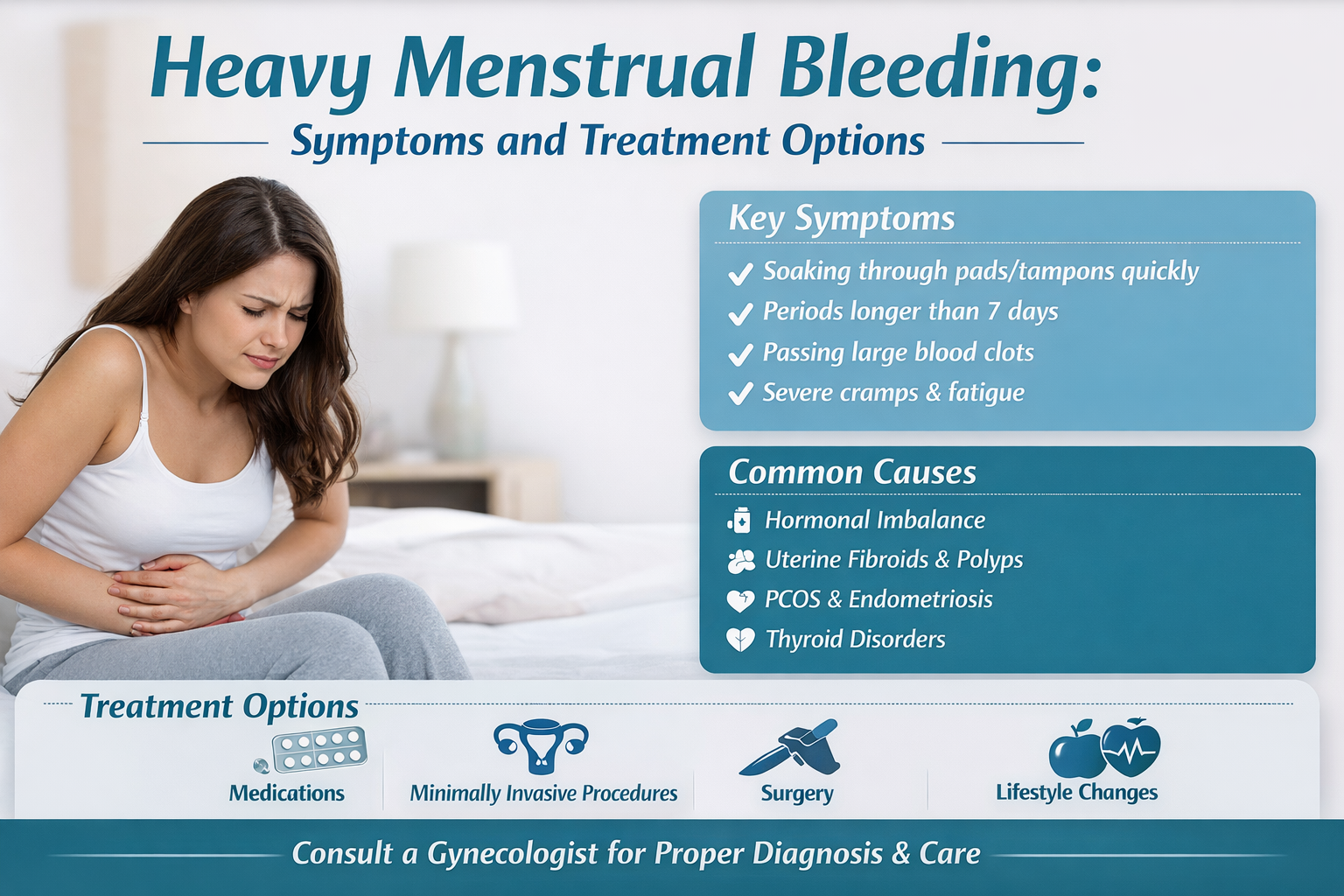
Women experiencing heavy menstrual bleeding may notice several signs that go beyond a typical period. One of the most noticeable signs is soaking through one or more sanitary pads or tampons every hour for several consecutive hours. Passing large blood clots during periods is another indicator. Many women also experience periods that last longer than seven days.
Fatigue, weakness, or shortness of breath can develop due to blood loss. Some may also feel severe abdominal cramps or pelvic pain during menstruation. In certain cases, women may need to wake up at night to change menstrual products, which disrupts sleep and daily functioning.
There are several reasons why heavy menstrual bleeding may occur, and identifying the cause is important for proper treatment.
Hormonal imbalance is one of the most common causes, especially when the body does not regulate estrogen and progesterone properly. This can lead to thickening of the uterine lining and heavier bleeding.
Conditions such as uterine fibroids or polyps can also contribute to excessive bleeding. These are non-cancerous growths that develop in or around the uterus.
Another cause is Polycystic Ovary Syndrome, which can disrupt ovulation and lead to irregular and heavy periods. Additionally, disorders like Endometriosis may result in painful and heavy menstruation.
Certain medications, infections, or underlying medical conditions such as thyroid disorders can also play a role.
It is important to seek medical advice if heavy bleeding is persistent or worsening. If you feel unusually tired, dizzy, or notice a sudden change in your menstrual pattern, it should not be ignored.
Women who experience bleeding between periods or after menopause should consult a gynecologist immediately, as these may indicate more serious conditions.
Treatment depends on the cause, severity, and overall health of the patient. Doctors may recommend different approaches based on individual needs.
Medications are often the first step. Hormonal treatments such as birth control pills help regulate the menstrual cycle and reduce bleeding. Non-hormonal medications can also help manage symptoms and control blood loss.
In cases where structural issues like fibroids are present, minor procedures may be required. Minimally invasive techniques can remove growths or correct abnormalities with quicker recovery times.
For severe cases that do not respond to medication, surgical options may be considered. Procedures such as endometrial ablation or, in rare cases, hysterectomy may be recommended depending on the condition and future fertility plans.
Managing heavy menstrual bleeding also involves lifestyle adjustments. Maintaining a balanced diet rich in iron helps prevent anemia. Staying hydrated and getting adequate rest can support overall health during periods.
Tracking your menstrual cycle can help identify patterns and make it easier to discuss symptoms with your doctor. Regular checkups are essential for early diagnosis and effective treatment.
Heavy menstrual bleeding is not something that should be considered normal if it affects your daily life. Early diagnosis and proper treatment can significantly improve quality of life and prevent complications.
If you are experiencing these symptoms, consulting a qualified gynecologist is the best step toward better health and well-being.