Affordable Gynecology Treatment in Mohali | Expert Women's Healthcare
- July 10,2026
Hemodialysis is a life-saving treatment for patients with chronic kidney disease and end-stage renal failure. A crucial part of this treatment is vascular access, which allows blood to flow in and out of the body during dialysis. Choosing the right vascular access surgery in India is essential for ensuring long-term success, patient comfort, and reduced complications.
Vascular access is a surgical procedure that creates a reliable entry point into the bloodstream for dialysis. Since dialysis is performed multiple times a week, the access must be strong, durable, and safe. It plays a key role in determining how effectively the dialysis process works.
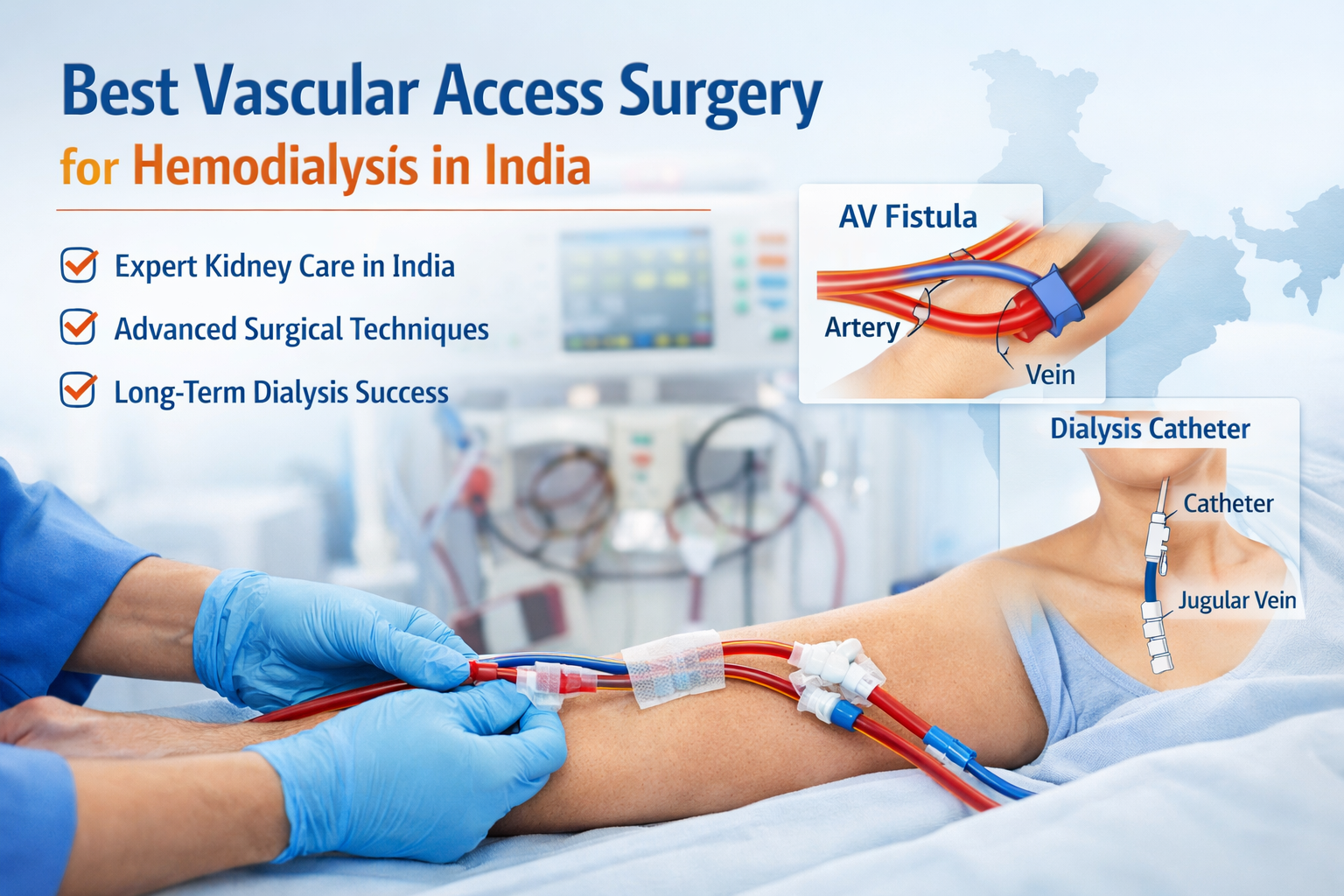
There are three main types of vascular access used in hemodialysis. The arteriovenous fistula is created by connecting an artery directly to a vein, usually in the arm. This helps the vein grow stronger over time and makes it suitable for repeated use. The arteriovenous graft uses a synthetic tube to connect an artery and vein, providing an alternative when veins are not suitable for a fistula. A central venous catheter is placed in a large vein, typically in the neck or chest, and is mainly used for temporary or emergency dialysis.
The arteriovenous fistula is widely considered the best vascular access option for most patients. It offers better blood flow, lasts longer, and has a lower risk of infection and clotting compared to other methods. Although it takes some time to mature, it provides the most reliable and effective solution for long-term dialysis.
India has become a preferred destination for vascular access surgery due to its advanced healthcare facilities and skilled medical professionals. Many hospitals use modern techniques such as ultrasound-guided vein mapping to assess blood vessels before surgery. This ensures better planning and higher success rates. Minimally invasive procedures and improved post-surgical care also contribute to faster recovery and better outcomes.
Choosing the right type of vascular access depends on several factors, including the patient’s age, overall health, and the condition of blood vessels. The urgency of dialysis and the presence of other medical conditions also play an important role. Doctors carefully evaluate each patient to recommend the most suitable option.
Although vascular access surgeries are generally safe, certain complications may occur. These can include infection, blood clotting, or narrowing of the blood vessels. However, these risks can be minimized with proper care, regular check-ups, and early medical intervention when needed.
Proper care of vascular access is essential for its long-term success. Patients should keep the area clean, avoid putting pressure on the access site, and follow medical advice carefully. Regular monitoring helps in identifying any issues early and prevents serious complications.
Selecting the best vascular access surgery for hemodialysis in India is vital for effective treatment and improved quality of life. Among all available options, the arteriovenous fistula stands out as the most durable and safest choice for long-term use. With expert medical care and proper maintenance, patients can manage dialysis more comfortably and achieve better health outcomes.